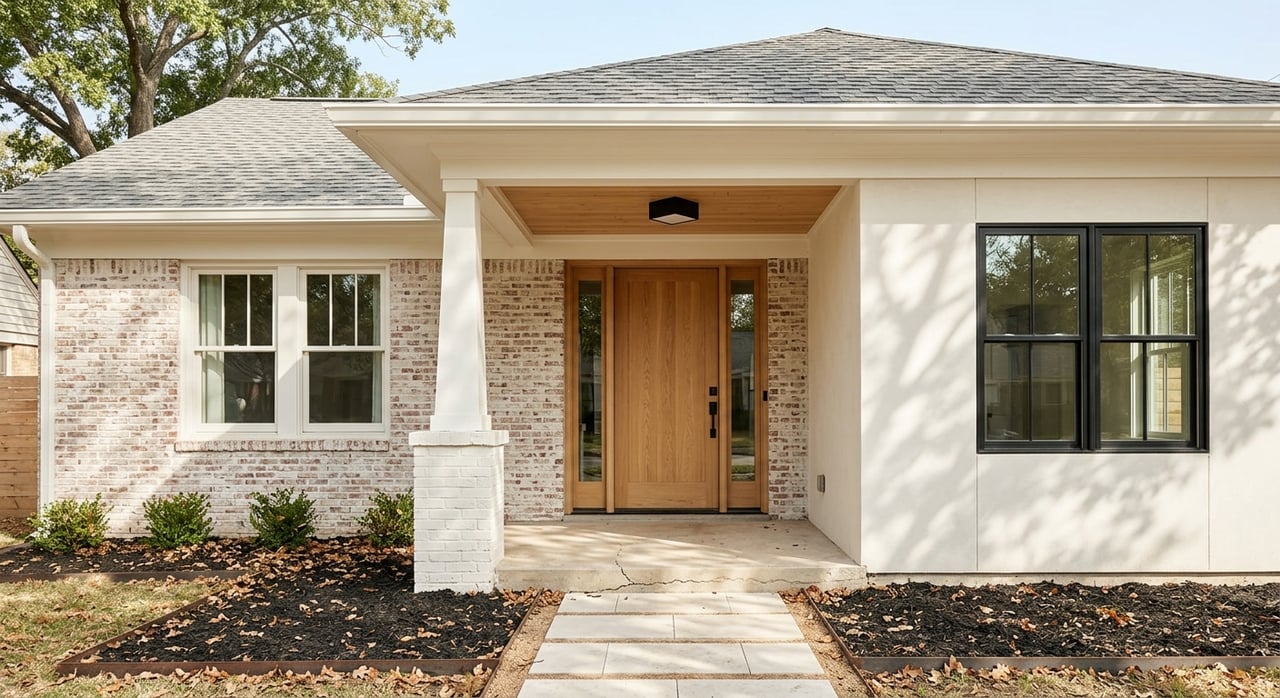
Your Guide to East Dallas Home Styles and Architecture
April 2, 2026
April 2, 2026
If you have started looking at homes in East Dallas, you have probably noticed one thing fast: there is no single "East Dallas style." On one block, you might see a low-slung Craftsman bungalow with a wide front porch, and nearby, a ranch home or a much newer two-story infill build. Understanding those differences can help you shop smarter, plan renovations more confidently, and choose a home that truly fits how you live. Let’s dive in.
East Dallas is a layered housing market shaped by different building eras. Official Dallas landmark districts in this part of the city include Junius Heights, Munger Place, Peak's Suburban Addition, and Swiss Avenue, while nearby areas like Belmont Addition, M Streets East, Lakewood Heights, and Casa View Oaks help show the shift from early-20th-century homes to postwar ranch houses and newer infill construction. According to the City of Dallas historic preservation program, Junius Heights is the largest historic district in Dallas.
That mix is a big part of East Dallas appeal. Instead of one repeating look, you get a range of architecture, lot sizes, layouts, and street character. For you as a buyer or seller, that means style matters, but so does understanding when a home was built and what rules may apply to changes.
When many people picture classic East Dallas, they are thinking of the bungalow. Preservation Dallas notes that Junius Heights is dominated by Craftsman bungalows, while nearby areas such as Lakewood Heights, M Streets East, and Belmont Addition also include Craftsman homes alongside other early styles.
Classic bungalow design is usually easy to spot. The National Park Service describes these homes as low-profile, often one to one-and-a-half stories, with low-pitched gable roofs, wide overhanging eaves, exposed rafters or purlins, and broad front porches. Inside, layouts are often compact and informal, with connected rooms and built-ins instead of long hallways.
In practical terms, a bungalow often feels warm, detailed, and full of personality. You may find original trim, built-ins, and inviting front porches that create a strong connection to the street. That character is a major reason so many buyers are drawn to these homes.
Charm does come with tradeoffs. Bungalows often have smaller rooms, less obvious storage, and older floor plans that may not match every buyer’s needs. Some have also been altered over time, so the condition and quality of past updates can vary widely.
If you love the look of a bungalow, it helps to tour with both style and function in mind. Pay attention to room flow, closet space, and whether past renovations support the way you want to live today.
East Dallas is not just bungalows. Preservation Dallas says Lakewood Heights includes mainly one-story brick homes such as Tudor, Spanish cottages, and Craftsman bungalows, while M Streets East preserves Craftsman bungalows along with Colonial and Tudor Revival houses. Belmont Addition includes Craftsman bungalows, Prairie four squares, and period-revival homes.
These early-20th-century styles can offer a more formal look than a typical bungalow. You may notice steeper rooflines, brick exteriors, more defined room separation, and distinct architectural details tied to each style. On the street, they often create a strong sense of visual variety while still fitting the historic rhythm of the neighborhood.
For buyers, these homes can be appealing if you want character but prefer a different layout or exterior style than a classic Craftsman. The key is understanding that even homes from the same era can live very differently once you get inside.
If you want a more open feel, East Dallas also offers postwar and mid-century housing. One of the clearest examples is Casa View Oaks, where Preservation Dallas says 200 ranch-style houses were built in 1954 and the neighborhood still has the largest collection of Cliff May-designed houses in Dallas.
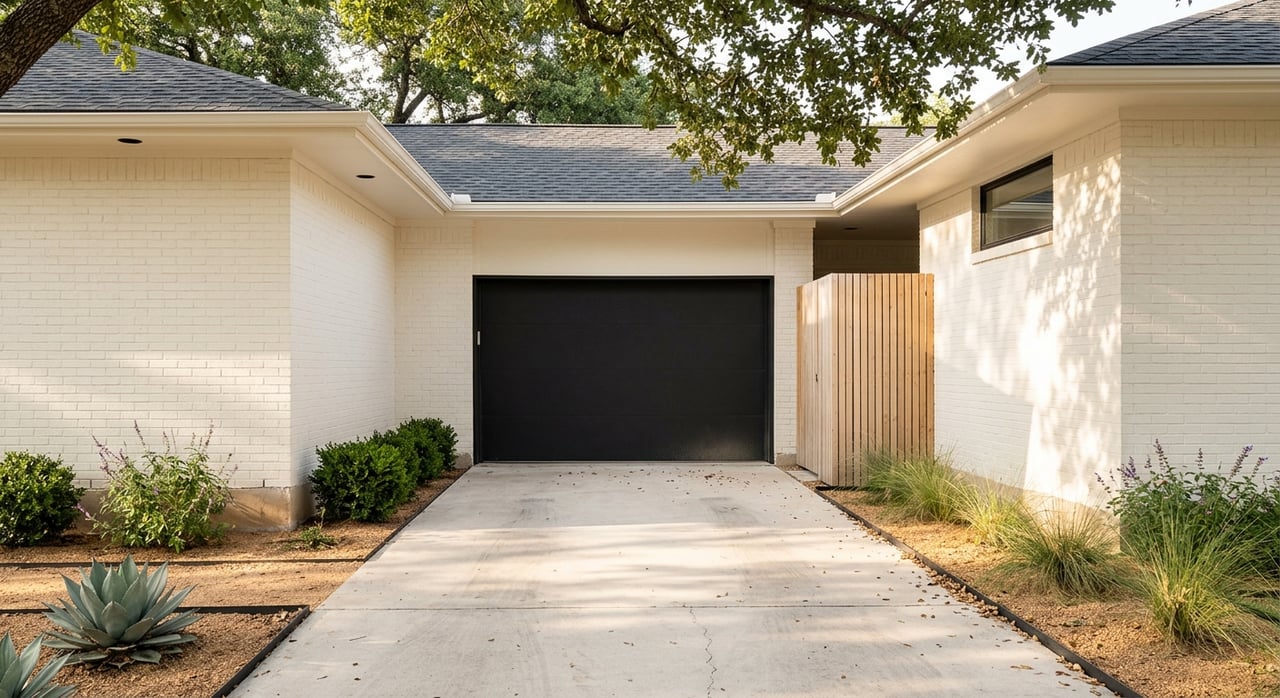
Britannica describes ranch houses as one-level homes with low roofs and rectangular, open plans. It also notes that ranch homes often feel more open than earlier housing types. More broadly, mid-century design emphasizes clean lines, organic shapes, and functionality.
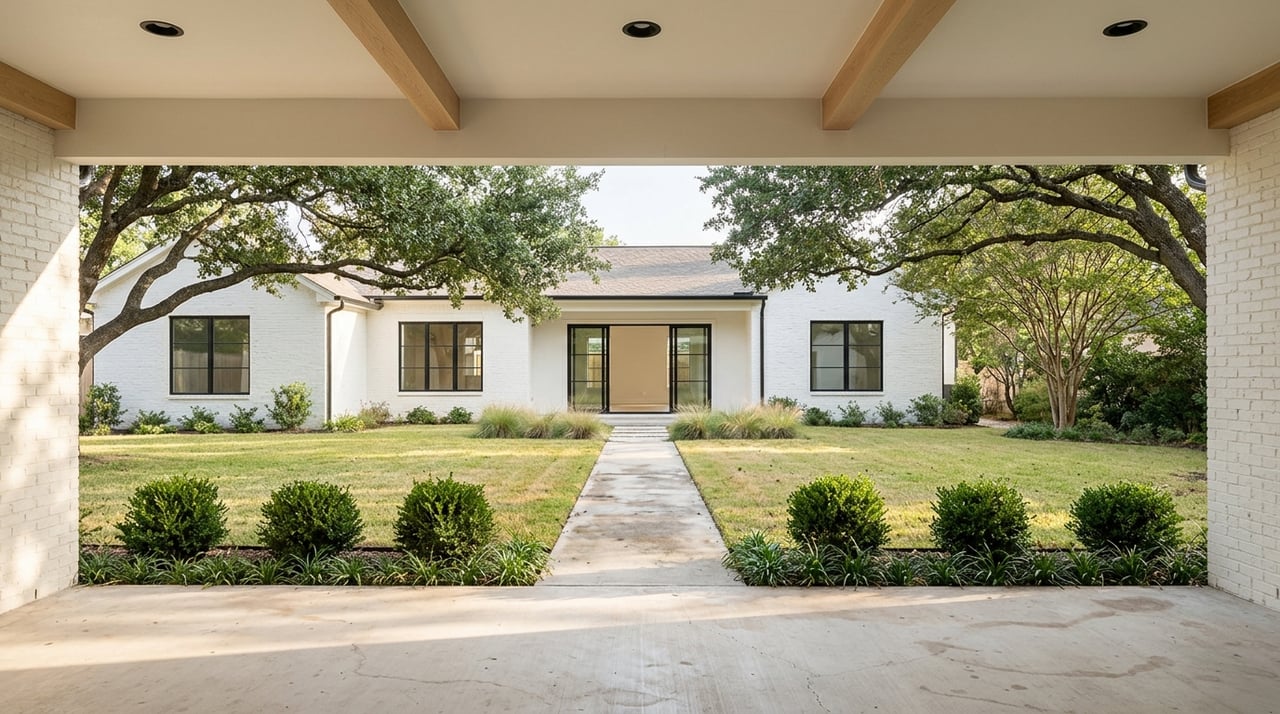
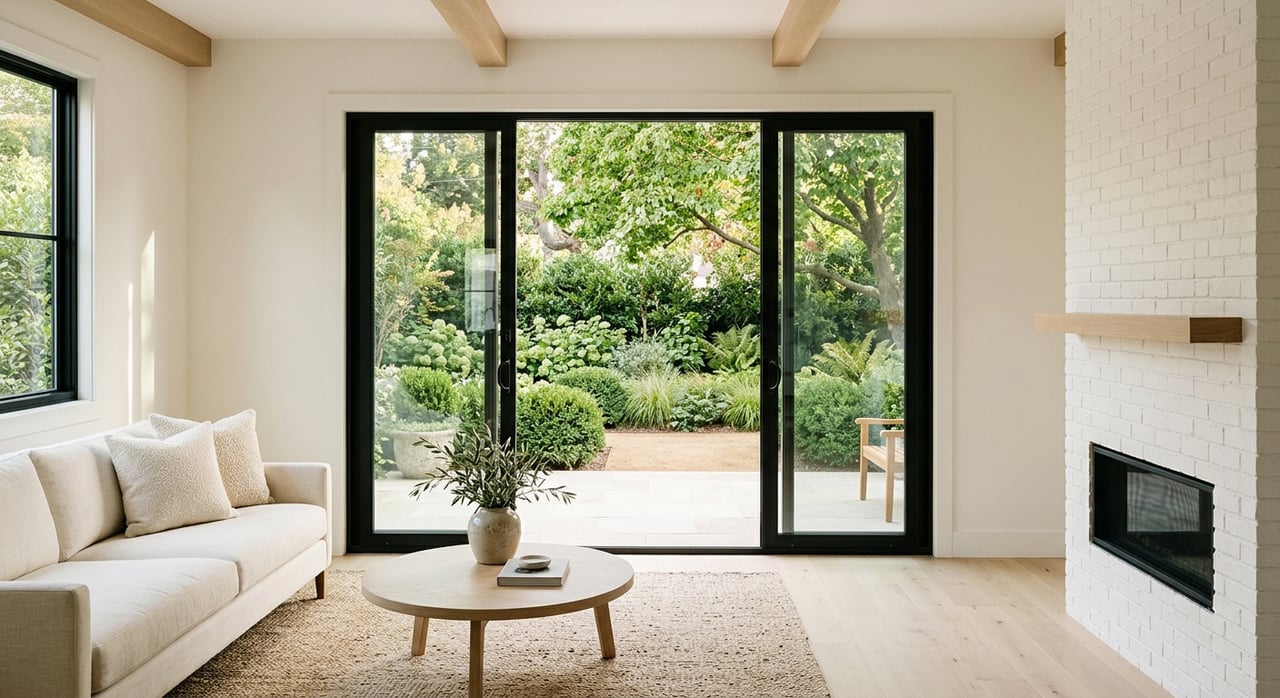
This style usually appeals to buyers who want fewer stairs and easier day-to-day flow. Compared with a bungalow, a ranch home may feel more open, more casual, and more connected to outdoor space.
One of the biggest questions with mid-century and ranch homes is how much of the original layout still remains. Preservation Dallas notes that these homes are often valued for their indoor-outdoor flow and broad sense of openness. If later remodels added walls or heavily changed the floor plan, the home may feel very different from its original design intent.
When you tour, look at window placement, patio access, and whether the living spaces still feel connected. Those details often shape how well the home delivers the easy livability many buyers want from this style.
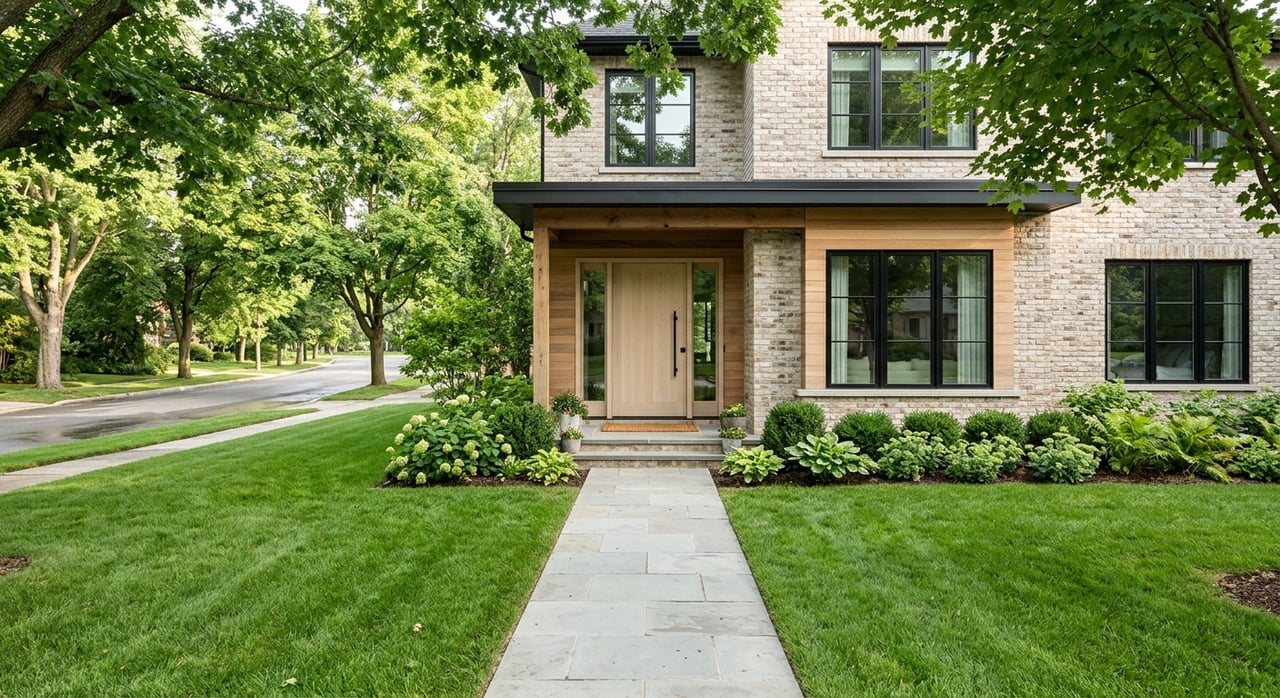
New construction is also part of the East Dallas story, especially as infill or tear-down replacement in older neighborhoods. Preservation Dallas points to Lakewood Heights as a strong example, noting that the area has shifted from a simpler bungalow neighborhood toward tear-downs and larger two-story houses with square footage roughly double the original homes.
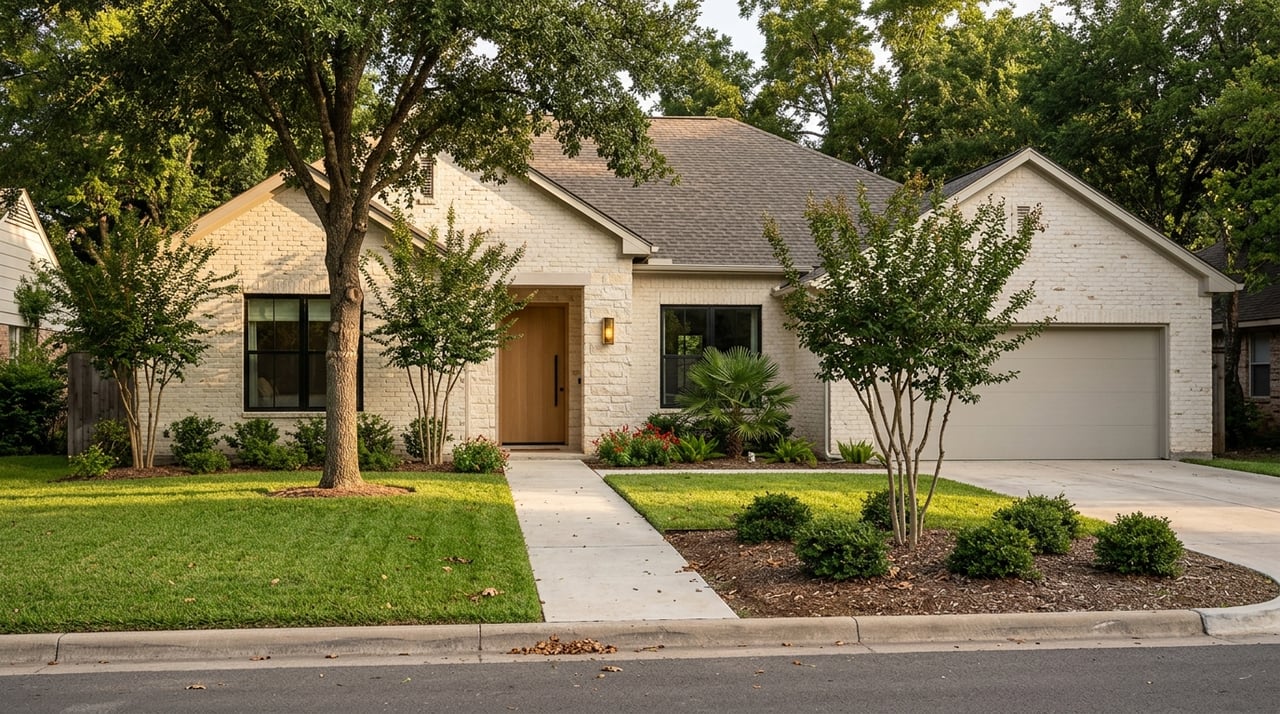
For many buyers, newer homes solve common issues found in older properties. You may get more square footage, larger closets, newer systems, and a layout that better matches current preferences. If you need extra bedrooms, a home office, or more open living space, infill construction can be a practical option.
The tradeoff is that newer homes can change the visual rhythm of an older street. A larger two-story build may live very differently from the original homes around it. That does not make it better or worse by default, but it does make context important.
If you are comparing new construction with older homes, think beyond square footage. Consider how the house sits on the lot, how it relates to nearby homes, and whether the style and scale feel right for what you want long term.
In East Dallas, district status can have a major impact on what you can change and how long projects may take. According to the City of Dallas Landmark Review Process, homes in Landmark Districts require a Certificate of Appropriateness before exterior work on landmark district properties or landmark sites. Conservation districts also use district-specific exterior standards for renovations and new construction.
This is one of the most important things to understand before you buy. A home’s architecture is only part of the story. The district rules tied to that home may affect renovation plans, timing, and budget.
If you are buying, district status can shape what kinds of exterior updates are possible. If you are selling, it can also influence how buyers view the property, especially if they are comparing homes based on renovation potential.
The upside is that these rules help preserve the broader look and character of many East Dallas streetscapes. The practical takeaway is simple: before making assumptions about additions, exterior changes, or even certain design updates, confirm whether the home sits in a Landmark District or Conservation District.
There is no universal best style in East Dallas. The right choice depends on how you want to live, what kind of maintenance and updates you are comfortable with, and how much weight you place on character, space, and flexibility.
Here is a simple way to think about it:
When you compare options, try not to focus on style alone. Think about how each home supports your daily routine, future plans, and comfort with updates or restrictions.
Because East Dallas includes so many architectural eras, home shopping here is often more nuanced than it first appears. Two homes with similar price points can offer very different experiences depending on layout, district status, original details, and renovation history.
That is why local context matters. When you understand what defines a bungalow, what makes a ranch home feel more open, or how infill changes a block, you can make clearer decisions and avoid surprises later. If you want help comparing East Dallas home styles or narrowing down the right fit for your goals, the team at Graham Group is here to guide you with local insight and a high-touch approach.
Stay up to date on the latest real estate trends.
A qualified agent with years of experience in the real estate market can help you determine the best improvements to make based on your particular market. When you’re ready to learn more, connect with us today. We’re happy to help!