Your Lakewood Dallas Neighborhood Guide to Daily Life
May 7, 2026
May 7, 2026
If you want a Dallas neighborhood with real character, Lakewood tends to stand out fast. You get historic homes, mature trees, and the everyday pull of White Rock Lake, all wrapped into a part of East Dallas that feels established and active. Whether you are thinking about buying, selling, or simply getting to know the area, understanding what makes Lakewood different can help you make a smarter move. Let’s dive in.
Lakewood is commonly described as an East Dallas neighborhood on the west side of White Rock Lake. It is known for tree-lined streets, historic homes, and a community-centered feel shaped by local events, neighborhood businesses, and easy access to the lake.
That mix gives Lakewood a strong identity. Instead of feeling like a newer, master-planned area, it feels rooted in place, with a long-running neighborhood core and a visible connection between residential streets, daily routines, and outdoor life.
A big part of Lakewood’s appeal comes from when it was built. City historic materials describe the neighborhood as a 1920s- and 1930s-era residential area with rolling terrain, varied architecture, and views over White Rock Lake.
City planning materials say much of Lakewood was developed between 1925 and 1946. That age shows up in the streetscape, the lot patterns, and the homes themselves, which often carry details that are hard to replicate in newer construction.
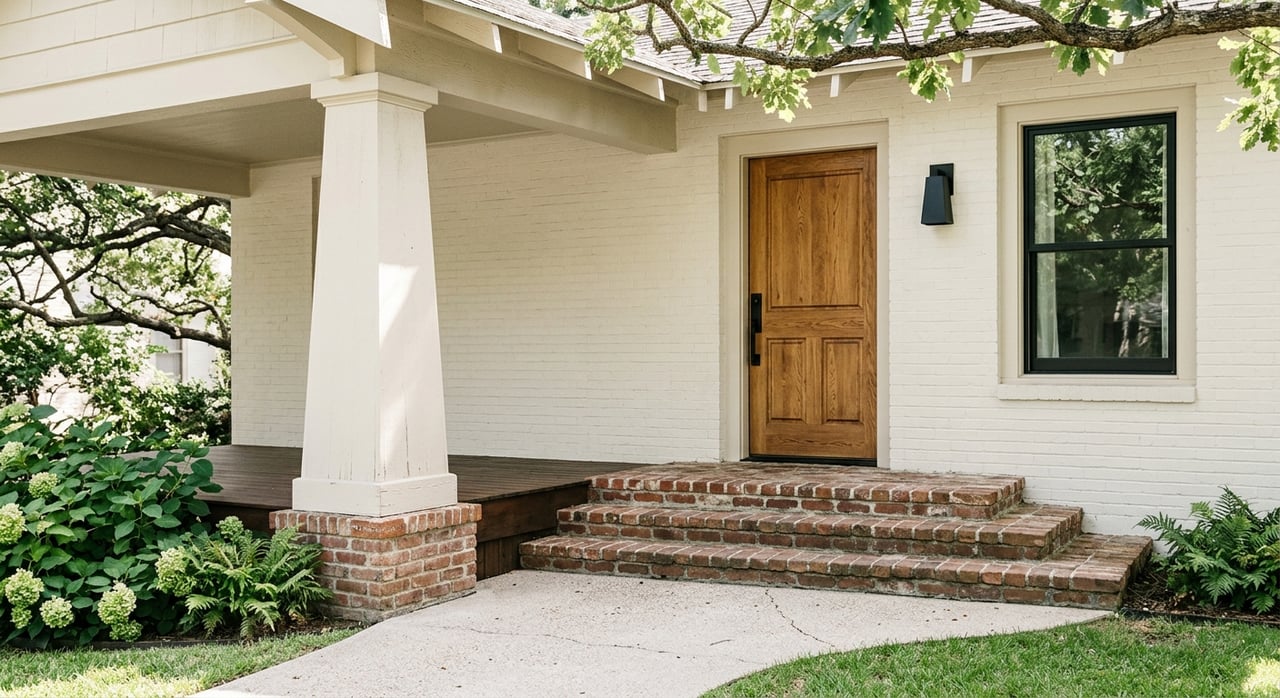
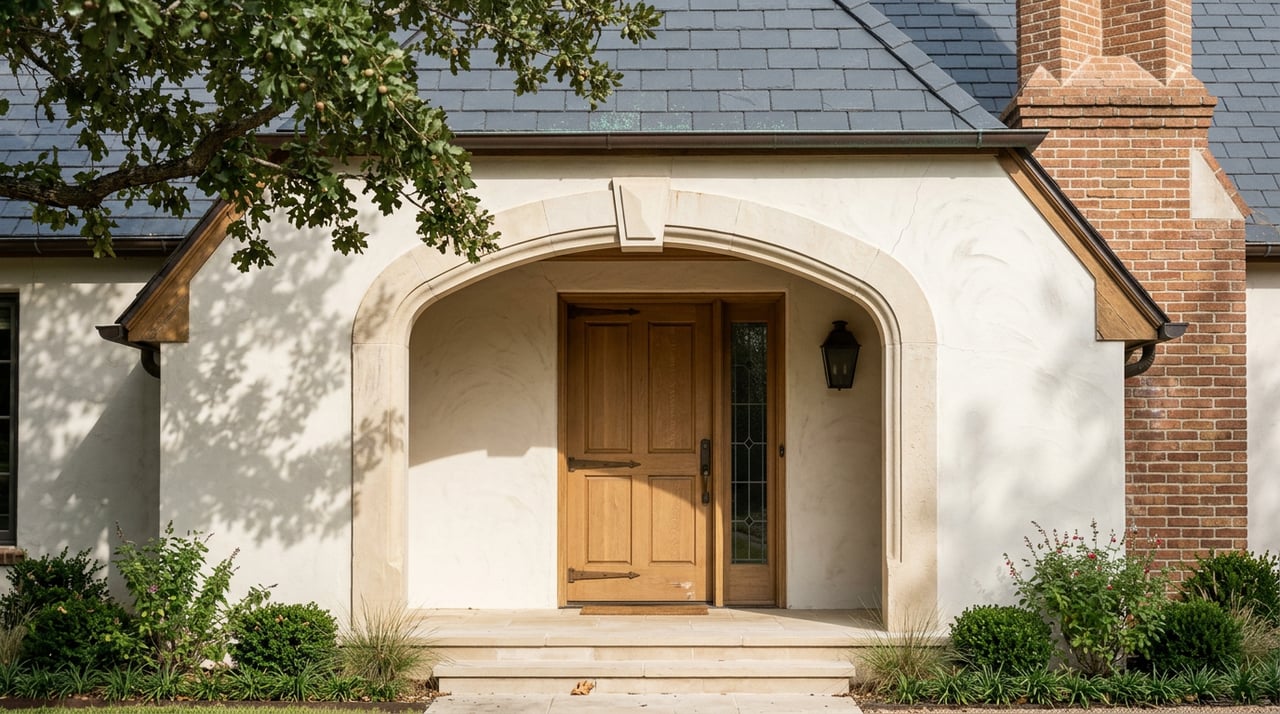
Lakewood is especially known for character-rich architectural styles. City materials identify Tudor, Spanish Eclectic, French Eclectic, Minimal Traditional, Neo-Classical, and Colonial Revival homes as part of the neighborhood’s built character.
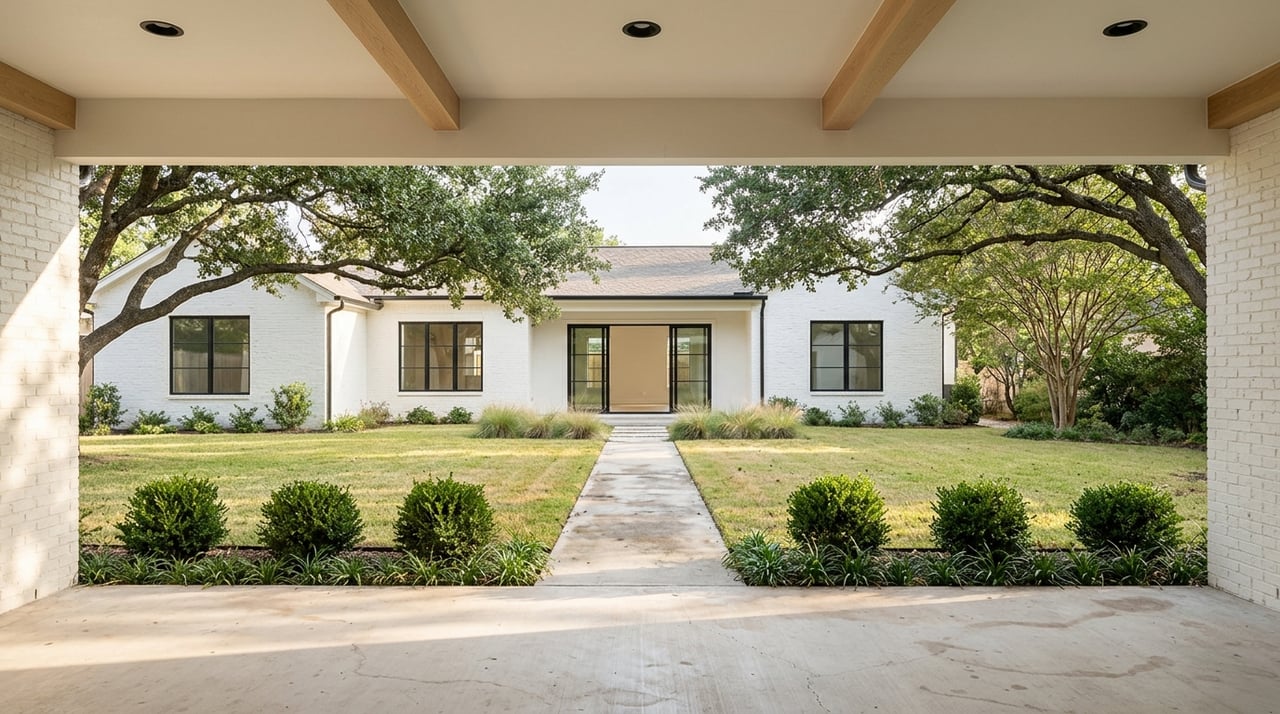
For buyers, that often means you will see original design features, established landscaping, and homes with a more individual look. For sellers, it means the neighborhood’s visual appeal is closely tied to preserved architecture and the overall feel of the street.
Because Lakewood includes older housing stock, updates may require a little more thought. Dallas lists Lakewood as an existing conservation district, and the city explains that conservation districts are zoning tools used to preserve a neighborhood’s distinctive physical and architectural character through added development rules.
The city also notes that exterior work in designated historic districts requires a Certificate of Appropriateness. In practical terms, that means remodeling plans, exterior changes, and even simple curb appeal updates may depend on the specific property and its zoning. If you are buying or preparing to sell, it is wise to look at those details early.
White Rock Lake is one of the clearest reasons people are drawn to Lakewood. The City of Dallas describes it as a 1,015-acre lake about five miles northeast of downtown, with a 9.33-mile hike-and-bike trail and amenities that include bird watching areas, a dog park, picnic areas, boat ramps, a kayak concession, the Bath House Cultural Center, and the Dallas Arboretum.
This is not just a scenic backdrop. The city also describes White Rock Lake as one of the most heavily used parks in Dallas and a place that hosts special events and runs, which helps explain why it plays such a large role in the rhythm of everyday life nearby.
Living near White Rock Lake can shape how you spend your week. It supports walking, running, cycling, dog-walking, and quick outdoor breaks that do not require a big production.
That daily-use access is part of what gives Lakewood its energy. You are close to a major recreational landscape, but you are still in a neighborhood with an established residential feel.
Lakewood’s lifestyle is not only about homes and the lake. The neighborhood also benefits from a long-standing commercial center anchored by the Lakewood Theater.
According to the city’s landmark designation, the theater is the keystone of the Lakewood Shopping Center, and the center continues to function as a thriving retail hub for East Dallas. That matters because it gives the area a recognizable focal point and helps support an active local routine.
A historic shopping district changes how a neighborhood feels day to day. It creates places to run errands, meet up, and stay connected to the area without losing the residential character that draws people there in the first place.
The Lakewood Neighborhood Association also highlights local businesses and neighborhood events as part of community life. Taken together, the lake, the shopping district, and neighborhood organization help explain why Lakewood feels lively but not hectic.
For buyers thinking long term, schools are often part of the neighborhood conversation. Dallas ISD’s Lakewood Elementary page says the campus serves grades K through 5, is rated as an A campus, and is listed as the number four elementary school in Dallas ISD. The page also places it within the Woodrow Wilson feeder pattern.
Woodrow Wilson High School serves grades 9 through 12 and lists programs including IB, STEM, AVID, Dual Credit, AP, Visual and Performing Arts, Dual Language, and Business. J.L. Long Middle School is another nearby Dallas ISD campus in the 75214 ZIP code.
For many buyers, one practical advantage of Lakewood is the familiarity of its school pathway. The area offers an established neighborhood setting paired with nearby Dallas ISD options that are already part of the East Dallas conversation.
That can also matter to sellers, since school pathways often play a role in how buyers evaluate a location. As always, exact attendance zones should be verified for a specific address before making a decision.
Lakewood is not usually the right fit for someone who wants a mostly new-construction feel or an HOA-driven environment. Based on the neighborhood’s housing stock, preservation framework, and access to White Rock Lake, it tends to appeal more to buyers who want historic architecture, mature trees, and a strong sense of place.
It can be especially appealing if you value neighborhood institutions and a more established streetscape. If your ideal home search includes charm, walkable routines near local destinations, and homes with personality, Lakewood often checks those boxes.
If you are buying in Lakewood, it helps to balance charm with practicality. Older homes may offer standout architecture and lot character, but they can also come with renovation questions, upkeep considerations, and property-specific rules tied to conservation or historic review.
A thoughtful search usually includes more than square footage and finishes. You also want to look at zoning, exterior update limitations, and how the property fits into the surrounding streetscape.
If you are selling in Lakewood, the neighborhood’s value proposition is closely tied to character. Buyers are often responding to original architecture, established landscaping, proximity to White Rock Lake, and the identity of the neighborhood itself.
That means thoughtful preparation matters. Presentation should support the home’s architectural style and help buyers connect the property to the broader Lakewood lifestyle.
At Graham Group, that kind of preparation is part of how we guide sellers. With a hospitality-first approach and tools like Compass Concierge available for listing prep, we help create a plan that supports a polished launch while staying grounded in what buyers are actually looking for in East Dallas.
If you are considering a move in or around Lakewood, Graham Group can help you understand the neighborhood, prepare your home for market, or build a smart buying strategy with local insight and high-touch guidance.
Stay up to date on the latest real estate trends.
A qualified agent with years of experience in the real estate market can help you determine the best improvements to make based on your particular market. When you’re ready to learn more, connect with us today. We’re happy to help!