Lakewood vs Lake Highlands: Find Your East Dallas Fit
May 14, 2026
May 14, 2026
Choosing between Lakewood and Lake Highlands can feel harder than it sounds. Both are well-known East Dallas areas, both offer strong outdoor access, and both attract buyers who want a neighborhood with personality. If you are trying to decide where you would feel most at home, this guide will help you compare the parts that matter most, from home style and price positioning to commute patterns and day-to-day feel. Let’s dive in.
If you want the simplest version, here it is: Lakewood is the smaller, more historic, lake-adjacent option, while Lake Highlands is the larger, more varied, more suburban-feeling option. Each appeals to a different kind of buyer, and neither is automatically better. The right choice depends on how you want to live.
Lakewood has an estimated 14,654 residents, while Lake Highlands is much larger at about 99,360 residents. That size difference shapes almost everything, including housing variety, street feel, recreation access, and the sense of scale you experience from one pocket to the next.
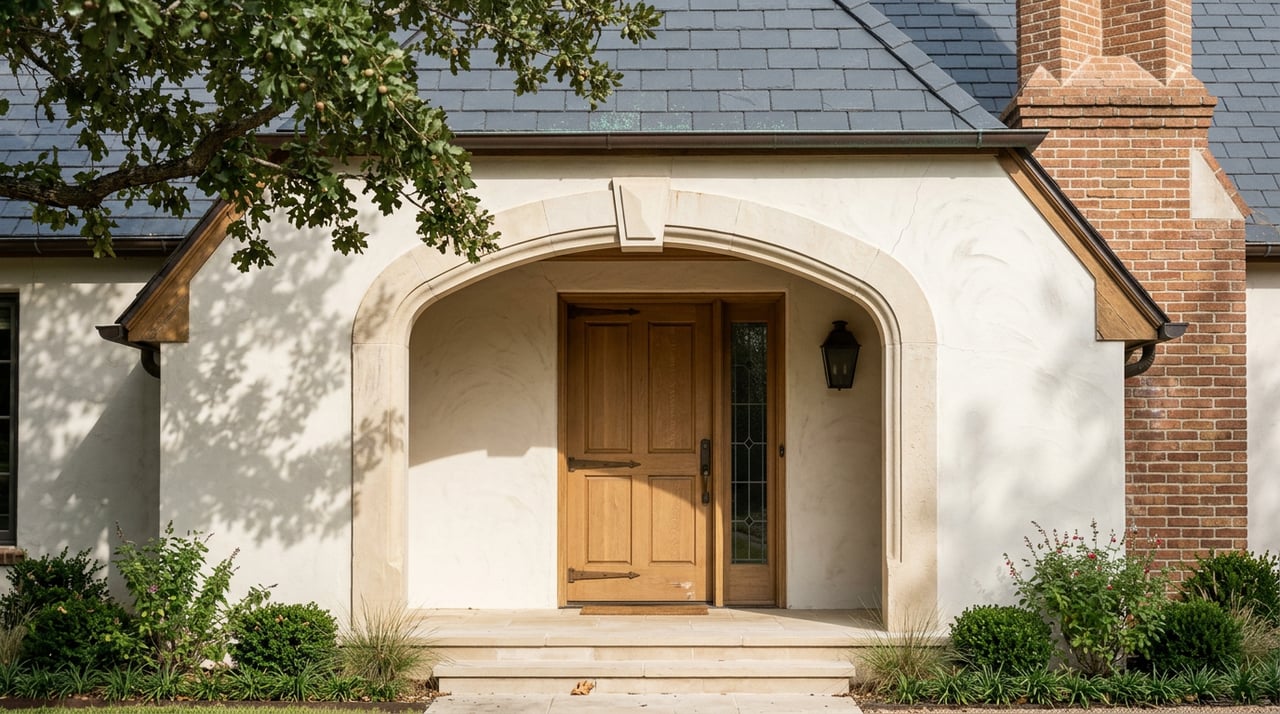
Lakewood is often the better fit if you are drawn to older homes and a neighborhood with a more preservation-minded identity. According to City of Dallas conservation district materials, much of the area was developed between 1925 and 1946, and the dominant architectural styles include Tudor, Spanish Eclectic, French Eclectic, Minimal Traditional, Neo-Classical, and Colonial Revival.
That history shows up in everyday curb appeal. You will see a mix of charming cottages and larger estate-style homes, with a stronger sense of architectural continuity than you may find in other parts of East Dallas. If home character is high on your list, Lakewood tends to make a strong first impression.
Another factor is the area's conservation-minded framework. The City of Dallas notes that conservation districts add development and architectural standards designed to preserve neighborhood character. For buyers who value consistency and historic feel, that can be a meaningful advantage.
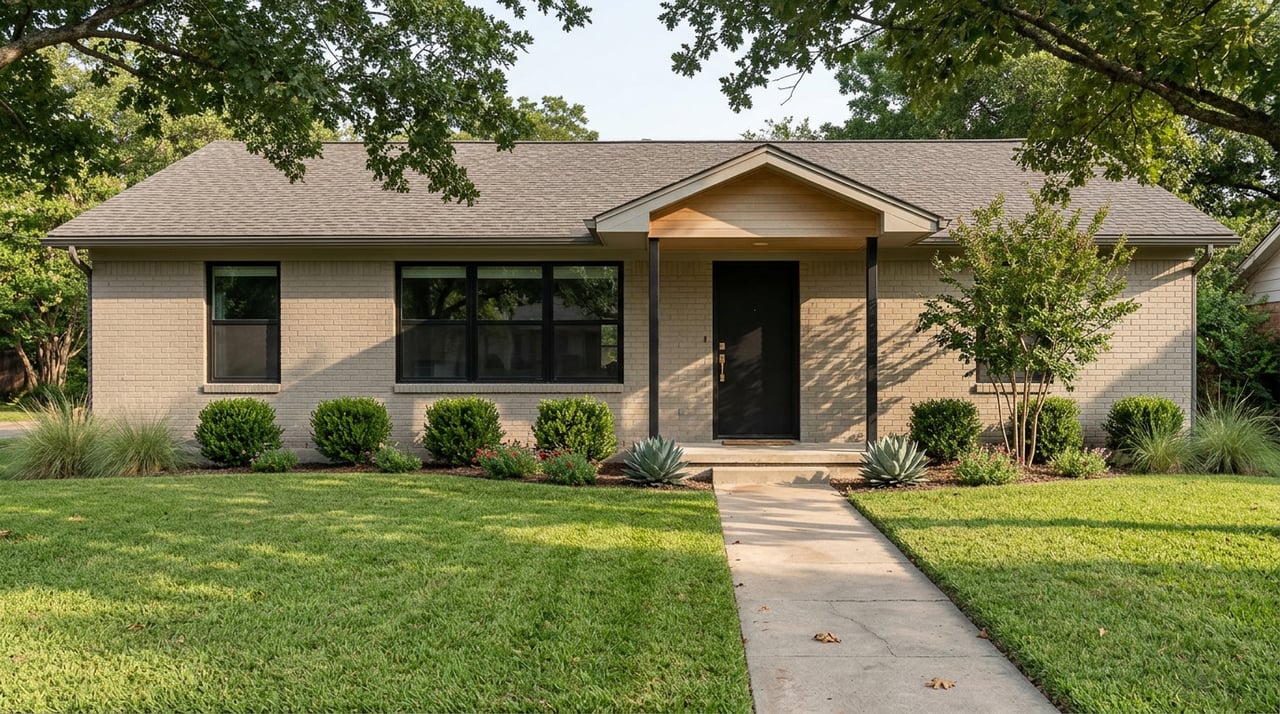
Lake Highlands offers a broader housing mix and a more flexible feel. Many homes were built in the late 1950s, with later development in places like Moss Farm Estates in the 1970s, and newer homes continue to replace some older properties.
This gives the area a wider range of housing types and streetscapes. In one section, you may find established single-family homes on mature lots. In another, you may see newer construction, multifamily development, or a more modern architectural look.
That variety can be a plus if you want more options at different price points or a more suburban subdivision pattern. It also means Lake Highlands should never be treated like one single product. The specific pocket matters a lot.
For many buyers, budget helps narrow the decision quickly. Based on D Magazine neighborhood profile data, Lakewood sits in a higher value tier, with a median owner-occupied home value of $785,109. In Lake Highlands, that figure is $340,091.
This does not mean every Lakewood home is out of reach or every Lake Highlands home is a bargain. It does mean the two areas often serve different buyer expectations in the market. If you are looking for a more detached single-family-heavy environment and are comfortable shopping at a higher price point, Lakewood may align more naturally.
If you want a larger pool of homes and more pricing variety, Lake Highlands may give you more room to compare options. That wider spread is part of what makes it appealing to buyers who want flexibility.
The housing mix is one of the clearest differences between these two areas. D Magazine data shows Lakewood has a much higher detached single-family share than Lake Highlands, at 66.6% versus 29.7%.
In practical terms, Lakewood often feels more uniformly residential. Lake Highlands feels broader and more mixed, which can be a benefit if you want more than one type of housing choice in your search area. It can also affect how each area feels block by block.
If your goal is a neighborhood where detached homes dominate the visual experience, Lakewood may feel more consistent. If you are open to a wider blend of housing forms and development patterns, Lake Highlands may be a better fit.
Both areas offer access to parks and outdoor recreation, but they do it in different ways. Lakewood's identity is tightly connected to White Rock Lake. Dallas Parks describes White Rock Lake as a 1,015-acre city lake about 5 miles northeast of downtown, with a 9.33-mile hike-and-bike trail and heavy public use.
For many buyers, that direct lake connection is a major draw. D Magazine describes Lakewood as one of Dallas's most nature-friendly neighborhoods, where residents walk, bike, and hike to White Rock. Lakewood Park also adds neighborhood-level amenities across 16.7 acres, including trails, a playground, tennis, and picnic areas.
Lake Highlands also offers strong outdoor access, but the pattern is more spread out. D Magazine highlights abundant parkland and trails leading to White Rock Lake, and Dallas Parks lists amenities like Lake Highlands North Recreation Center, Walne Park, and White Rock Valley Park.
If you want a lifestyle centered around immediate lake adjacency, Lakewood usually has the edge. If you like the idea of multiple recreation points spread across a larger area, Lake Highlands may feel more practical for everyday use.
The average commute times are close, with D Magazine reporting 27 minutes in Lakewood and 29 minutes in Lake Highlands. But the more important question is not the average. It is how you want to move through Dallas.
Lakewood leans more car-first with bus support. The area is served by bus routes 20, 214, and 249 plus the Blue Line, but its former GoLink zone has been discontinued. For some buyers, that is no issue at all. For others, it matters.
Lake Highlands is the more transit-oriented choice. DART says Lake Highlands Station sits on the Blue Line at Walnut Hill and White Rock Trail, GoLink zone 18 serves Lake Highlands, and Route 17 connects through areas including LBJ/Skillman, Audelia, Forest, and Richland.
The City of Dallas District 10 plan also calls for mixed-use development around the Lake Highlands DART station and growth around White Rock Station and the Forest/LBJ/Central triangle. If you value rail access or need flexibility for commuting north, east, or downtown, Lake Highlands often comes out ahead.
Lakewood feels smaller, tighter, and more defined. Its lake-edge setting, older housing stock, and conservation-minded identity create a neighborhood experience that feels cohesive and easy to picture. Buyers often know quickly whether that atmosphere fits them.
Lake Highlands is more expansive and layered. Because it includes dozens of subdivisions, it offers more variation in lot sizes, home styles, traffic patterns, and daily rhythms. That can be a real advantage if you want options, but it also means your search should focus on the right section rather than the name alone.
In other words, Lakewood often delivers a more specific vision. Lake Highlands offers a broader menu.
If you are deciding between the two, this quick framework can help:
If you are early in your search, the best next step is to compare these areas based on your daily life, not just listing photos. Think about whether you care more about historic architecture or flexibility, direct lake access or distributed parks, and a tightly defined neighborhood feel or a wider range of options.
If you are selling in East Dallas and trying to understand buyer demand, this same comparison matters. Buyers shopping Lakewood and Lake Highlands are often looking for different things, which can shape pricing strategy, home preparation, and marketing focus.
That is where local guidance makes a real difference. A neighborhood-level strategy can help you avoid broad assumptions and focus on the streets, pockets, and property types that truly match your goals.
If you are weighing Lakewood against Lake Highlands, Graham Group can help you narrow the choice with practical, high-touch guidance rooted in East Dallas expertise.
Stay up to date on the latest real estate trends.
A qualified agent with years of experience in the real estate market can help you determine the best improvements to make based on your particular market. When you’re ready to learn more, connect with us today. We’re happy to help!