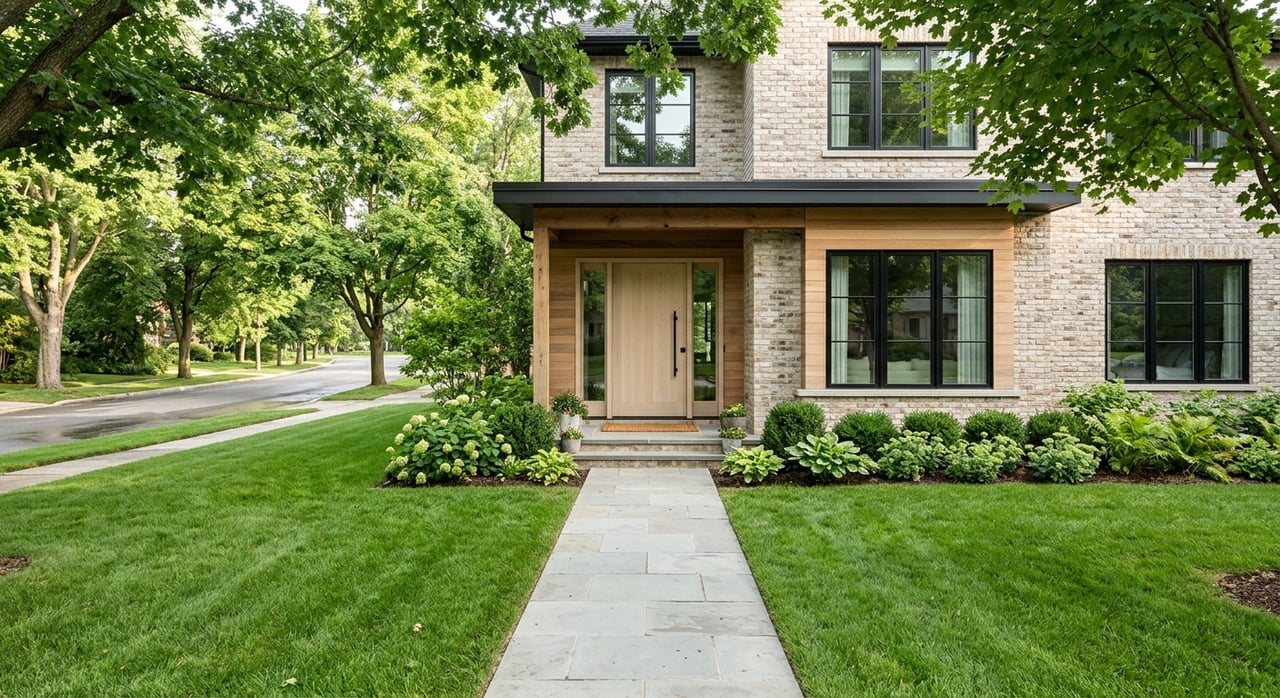
Getting To Know East Dallas’ Neighborhood Micro-Pockets
July 9, 2026
July 9, 2026
Wondering why one part of East Dallas feels like a lake retreat while another feels built around dinner plans, errands, and quick access across the city? That is the challenge and the charm of East Dallas. If you are buying, selling, or simply trying to understand the area better, it helps to think in smaller neighborhood micro-pockets instead of one big map. Let’s dive in.
East Dallas is a broad section of Dallas, not one single neighborhood with one uniform personality. The City of Dallas generally describes it as the area bounded by North Central Expressway, Mockingbird Lane, Buckner Boulevard, and East R.L. Thornton Freeway, with mostly residential land uses and more intense commercial development along the North Central corridor.
That big footprint explains why East Dallas can feel so varied from one pocket to the next. In some places, daily life revolves around White Rock Lake. In others, it centers on historic blocks, retail corridors, or transit access.
Another reason East Dallas feels distinct is its street pattern. City planning documents note that residents historically pushed back on major street widenings, which helps explain why many interior streets still feel more neighborhood-scaled and less auto-oriented.
If you try to compare all of East Dallas as one market, you can miss what really matters. A better approach is to break it into micro-pockets with different rhythms, housing stock, and day-to-day routines.
In practical terms, most buyers end up weighing three broad lifestyle types:
That lens can also help sellers position a home more clearly. Instead of marketing a property as simply "East Dallas," it is often more useful to speak to the lifestyle of its exact pocket.
For many people, White Rock Lake is the defining amenity in East Dallas. Dallas Parks describes it as a 1,015-acre city lake about five miles northeast of downtown, with a 9.33-mile hike-and-bike trail, boat ramps, piers, a kayak concession, a dog park, an Audubon bird-watching area, the Bath House Cultural Center, and the Dallas Arboretum.
That means the lake is more than a backdrop. It shapes how people spend a normal Tuesday morning or weekend afternoon. Trail laps, dog walks, kayaking, and park time become part of daily life in the nearby pockets.
Forest Hills is one of the clearest examples of a quiet, lake-edge pocket. The neighborhood association describes it as a wooded bluff on the south side of White Rock Lake, known for shaded, estate-sized lots and a wide range of architectural styles.
In feel, Forest Hills tends to read as peaceful, established, and tree-forward. If you are drawn to larger lots, mature landscaping, and a calmer residential pace near the lake, this is the kind of micro-pocket that often stands out.
Little Forest Hills offers a different kind of lake-adjacent identity. Its neighborhood association describes it as a unique collection of homes, people, and spirit, close to White Rock Lake and the Arboretum.
Compared with more formal pockets nearby, Little Forest Hills is often understood as more eclectic and close-in. For buyers, that can mean prioritizing personality and connection to the lake area over a more uniform streetscape.
Lakewood sits at an interesting intersection of established residential appeal and easy access to lake-centered living. The City of Dallas says the Lakewood conservation district is intended to conserve the neighborhood and protect its architectural and cultural attributes.
City materials also note that much of Lakewood was developed from 1925 to 1946, with Tudor, Spanish Eclectic, French Eclectic, Minimal Traditional, Neo-Classical, and Colonial Revival homes. That broad but recognizable architectural mix is a big part of why Lakewood has such a strong identity in the East Dallas market.
Not every East Dallas buyer wants the lake to be the center of daily life. Some people want easy errands, dining options, or a more connected commute pattern. That is where the corridor-oriented micro-pockets come in.
These areas usually trade a little serenity for convenience. If your ideal day includes grabbing coffee, meeting friends for dinner, running errands nearby, or using transit, these pockets may feel like a better fit.
Lower Greenville is one of the clearest examples of a more urban East Dallas pocket. The Lower Greenville Neighborhood Association describes the area as about two miles from downtown, with established historic neighborhoods, newer townhomes and condos, and shops and restaurants clustered along Greenville Avenue and Skillman Street.
That mix gives the area a different energy than the lake-edge neighborhoods. It tends to appeal to people who want a residential home base with quick access to dining and an evening-out lifestyle.
Mockingbird Station is East Dallas's strongest live-work-play node. Its official site describes it as a mixed-use development with shopping, restaurants, entertainment, residential living, and workplace options, and DART says the SMU/Mockingbird Station stop is served by the Red, Orange, and Blue rail lines.
DART also notes ongoing transit-oriented development at the station. For buyers, that reinforces the area's denser, more transit-connected identity compared with many traditional residential pockets nearby.
Some East Dallas pockets are less about nightlife and more about practical convenience. Lakewood Shopping Center is described as a walkable historic hub with retail and restaurant space, while Hillside Village at Abrams and Mockingbird functions as a neighborhood retail destination.
For nearby homeowners, that can mean simple daily wins. Groceries, quick stops, and casual dining may be close by, while the surrounding streets still feel residential rather than fully urban.
Casa Linda Plaza tells a similar convenience story on the east side, but with a stronger vintage retail identity. EDENS says it was built in 1945, is the oldest shopping center in the City of Dallas, and features Spanish Revival design.
It also serves established nearby neighborhoods and sits near White Rock Lake and the Dallas Arboretum. Garland Road planning materials describe Garland Road as East Dallas's gateway to White Rock Lake and a corridor connecting East Dallas to downtown, which helps explain why this pocket feels both practical and connected.
For many buyers, East Dallas is really about the older interior neighborhoods. These are the places where block-to-block character, mature trees, and architectural continuity often matter most.
These pockets also tend to be where preservation rules play a larger role. That can be a major plus if you value consistency and historic character, but it is something you will want to understand before planning exterior updates.
The M Streets, also known as Greenland Hills, is one of the classic historic-grid pockets in East Dallas. The Greenland Hills Neighborhood Association says homes built from 1920 to 1940 include Tudor, Craftsman Bungalow, Neo Colonial, Spanish Eclectic, Minimal Traditional, and Contemporary styles.
City conservation materials note that a large share of the neighborhood's homes are Tudor in character. That helps explain why the area feels visually cohesive from one block to the next.
Vickery Place is similar in age but offers a broader housing mix. Preservation Dallas says the neighborhood was platted in 1911 and includes one of Dallas's largest collections of early 20th-century houses, with Craftsman, Tudor, Spanish, Colonial Revival, and Prairie styles.
The area also includes duplexes and small multiplexes. That variety can give buyers a little more flexibility in housing type while still offering the charm and scale that define older East Dallas neighborhoods.
Hollywood/Santa Monica is often seen as a quieter, cottage-heavy pocket east of Lakewood. The neighborhood association says it developed in the 1920s and 1930s and includes a large concentration of period cottage-style homes that survived in almost vintage condition.
The same materials note access to downtown, White Rock Lake, I-30, and Fair Park. For buyers, that means a blend of preserved neighborhood character and practical connectivity.
Junius Heights is especially useful to know if you love older bungalow-dominant streetscapes. A Dallas Landmark Commission report says the district's period of significance runs from 1900 to 1940, with Craftsman Bungalows making up more than 45% of contributing structures.
Folk Victorian Cottages, Prairie homes, and Tudors are also represented. That architectural mix gives Junius Heights a distinct historic identity within the broader East Dallas picture.
When you narrow down East Dallas, the biggest tradeoff is often lifestyle density versus serenity. Corridor pockets like Lower Greenville, Mockingbird Station, Hillside Village, and Casa Linda typically offer faster access to errands, dining, and transit.
By contrast, lake-edge and interior historic pockets often offer calmer streets, larger trees, and a more residential pace. Neither is better across the board. The right fit depends on how you actually want to live day to day.
A few helpful questions can make your search clearer:
Many East Dallas buyers fall in love with the character first and ask questions about the rules later. That is understandable, but it is better to look at both at the same time.
The City of Dallas says conservation districts are tailored to specific neighborhoods and can regulate development standards. Historic overlays and many conservation-district projects may require city review, and exterior work in historic districts requires a certificate of appropriateness.
In real life, that often means you may get more visual consistency and neighborhood character. It can also mean more planning if you want to change the exterior of a home.
Near the lake and creeks, broad neighborhood assumptions only go so far. The City of Dallas says buyers can estimate whether a property is in the 1% annual-chance floodplain by using Dallas County appraisal data, the city zoning GIS, or FEMA flood maps.
That is why floodplain and drainage review should happen at the property level, not by neighborhood label alone. Two homes in the same general pocket can have very different site considerations.
If you are buying, start by matching your routine to the right micro-pocket before you get too focused on finishes or square footage. In East Dallas, lifestyle fit often matters just as much as the home itself.
If you are selling, your home's value story is stronger when it is tied to the exact pocket experience. Buyers are not just choosing a house. They are choosing lake access, walkable errands, historic character, or a quieter residential rhythm.
That is where local context really matters. East Dallas is full of nuance, and understanding those differences can help you make a more confident move.
If you want help narrowing down the right East Dallas pocket or positioning your current home for the market, Graham Group brings a high-touch, neighborhood-first approach to every step.
Stay up to date on the latest real estate trends.
A qualified agent with years of experience in the real estate market can help you determine the best improvements to make based on your particular market. When you’re ready to learn more, connect with us today. We’re happy to help!