Is Canyon Creek A Smart Area For Investors?
July 2, 2026
July 2, 2026
If you are eyeing Canyon Creek as your next investment play, the short answer is this: it can be a smart area, but only if you underwrite carefully. This is not the kind of neighborhood where you buy on a hunch and hope the numbers work later. Canyon Creek tends to reward investors who understand older housing stock, neighborhood-level demand, and parcel-specific details. Let’s dig into what makes this Richardson area appealing, and where you need to be cautious.
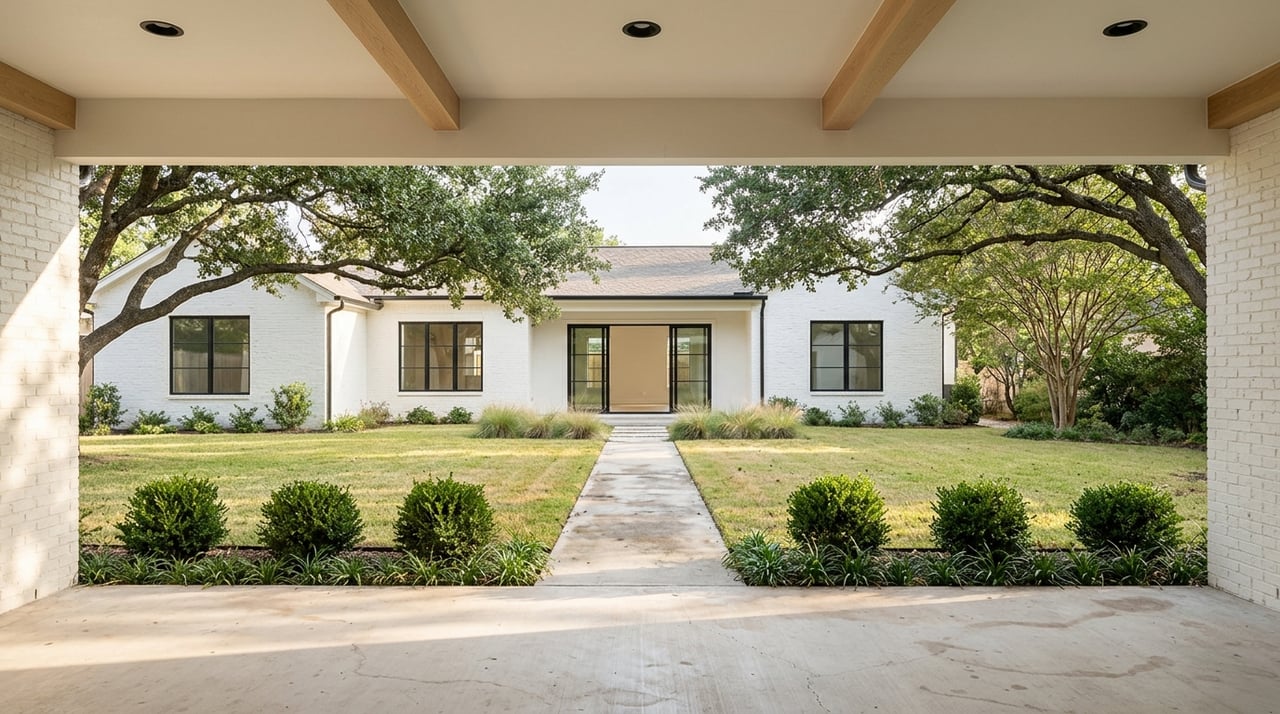
Canyon Creek is a far northwest Richardson neighborhood with about 2,850 single-family homes and a voluntary homeowners association. The area is known for its village-style feel, with trails, creeks, parks, mature trees, local shops, restaurants, boutiques, and access to Canyon Creek Country Club.
Its location also adds to the appeal. The neighborhood sits near UT Dallas to the west and CityLine to the east, which gives investors a mix of homeowner and renter demand drivers rather than relying on just one audience.
Canyon Creek benefits from being close to major education, employment, and lifestyle nodes. UT Dallas reported 30,139 students in fall 2025, and the university manages on-campus housing for roughly 5,500 students each year.
That does not mean every student rents nearby single-family homes, but it does point to a steady population base in the broader area. Add CityLine’s apartments, offices, dining, entertainment, hotel uses, and DART access, and you get a location with multiple reasons for people to want to live nearby.
For many investors, the best exit is still a retail buyer, not another investor. Canyon Creek has several features that can strengthen that exit strategy, including Canyon Creek Park and the private Canyon Creek Country Club.
The park includes a pool, baby pool, baseball field, and tennis courts. The country club offers golf, racquet sports, pools, dining, fitness, kids’ programming, and events, which can help support demand for homes in the surrounding area.
School proximity remains part of the conversation in Canyon Creek. Canyon Creek Elementary and Prairie Creek Elementary have served the area since 1965, and the HOA also identifies Aldridge Elementary as part of the neighborhood’s school ecosystem.
That said, you should always verify zoning by exact address. Not every property in the neighborhood will fall into the same district or school path, and that detail can affect both resale positioning and long-term holding strategy.
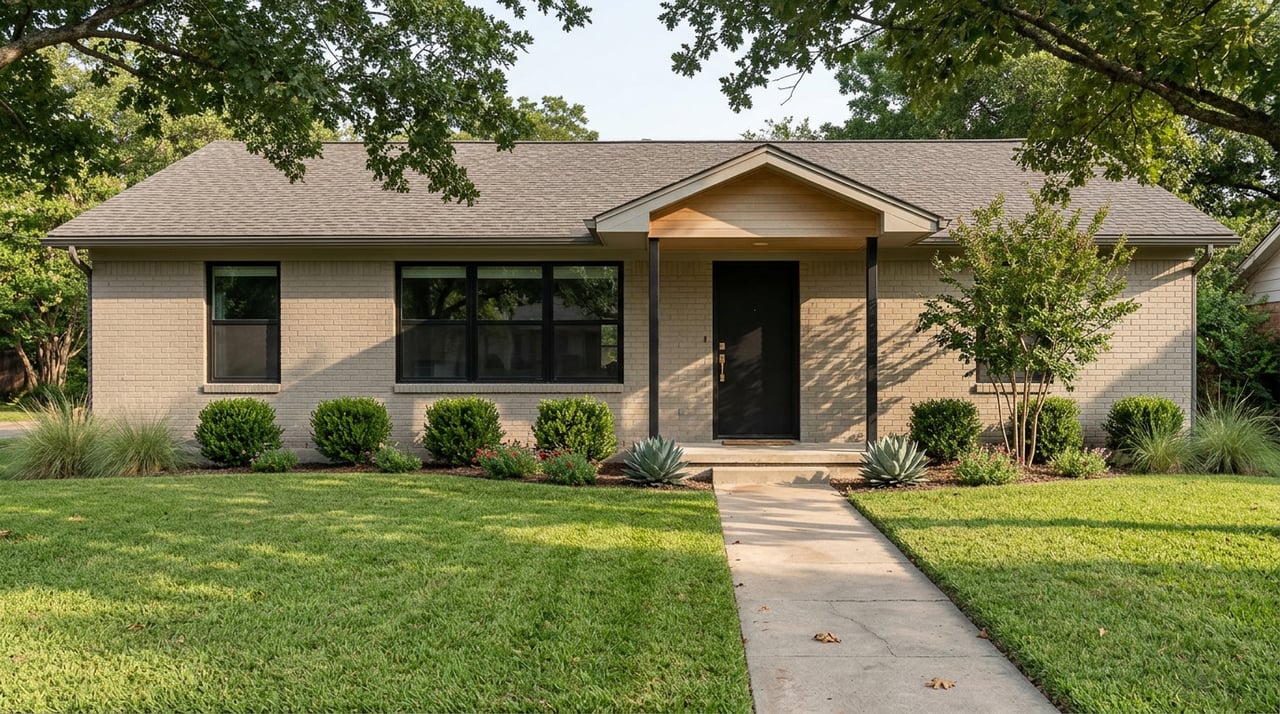
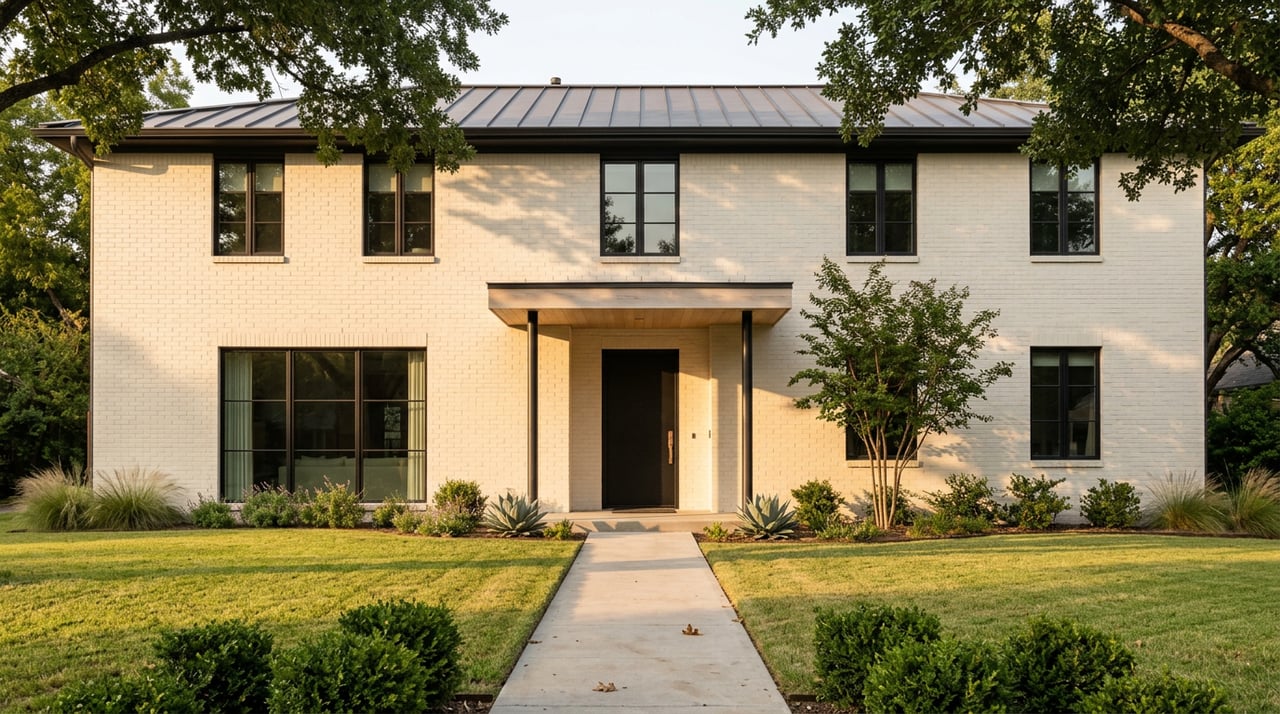
One of Canyon Creek’s biggest investment draws is its age profile. Public city records and community revitalization award examples show repeated reinvestment in homes from the 1960s and 1970s, including remodels, expansions, replacements, and rebuilds.
That tells you something important. In Canyon Creek, renovation activity is not unusual. It is part of how the neighborhood evolves.
Based on the visible pattern of reinvestment, Canyon Creek may fit several investor approaches:
This flexibility is a plus, especially if you are looking for a neighborhood where different playbooks can work. Still, not every house is a good candidate for every strategy, so the property-level math matters.
Property taxes are one of the biggest underwriting issues in this area. For FY 2025-2026, Richardson’s city tax rate is $0.54218 per $100 of assessed value.
The city lists a combined local rate of $2.181455 per $100 for Dallas County and Richardson ISD properties, and $1.812293 per $100 for Collin County and Plano ISD properties. On a $500,000 taxable value, that works out to about $10,907 per year in the Dallas County and RISD case versus about $9,061 per year in the Collin County and Plano ISD case before exemptions.
That difference is meaningful. If your plan depends on tight rental margins or a short hold, taxes alone can change the deal.
Canyon Creek is not a one-size-fits-all neighborhood. Official city permit records show that some Canyon Creek parcels are in Collin County, and Richardson notes that property taxes are paid to either Dallas County or Collin County depending on the property location.
This matters because county placement can affect tax structure, and exact address can affect school district assignment. If you assume every Canyon Creek home follows the same pattern, you can easily misprice risk or overestimate value.
Because much of the housing stock dates back to the 1960s and 1970s, you should expect some properties to need more than paint, flooring, and fixtures. City award examples even include rebuilds tied to engineering concerns.
That is why a smart acquisition process here should include:
In a neighborhood like Canyon Creek, hidden costs can quickly turn a promising project into a thin-margin deal.
Richardson’s stormwater guidance explains that the city’s drainage system was built over decades as subdivisions were constructed. It also notes that creek-adjacent owners may be responsible for regular maintenance, and that creek-bed or floodplain alterations may require city guidance and permits.
If you are looking at a creek-adjacent lot, this should move to the top of your due diligence list. Drainage, maintenance responsibilities, and permitting friction can affect both renovation timeline and overall budget.
If you want a neighborhood with established single-family inventory and durable local demand drivers, Canyon Creek can make sense as a long-hold play. Its location near UT Dallas, CityLine, parks, and established neighborhood amenities gives it a broader demand base than a purely speculative area.
This is especially true if you buy well and plan for realistic carrying costs. Investors who are patient and quality-focused may find better alignment here than those chasing quick, low-effort returns.
Canyon Creek also stands out for investors who know how to evaluate renovation upside. The neighborhood’s history of remodels, additions, and selective rebuilds suggests that buyers and homeowners already accept reinvestment as part of the local market.
That can create room for thoughtful improvement projects. The strongest opportunities are likely homes where the location is solid, but the condition or layout leaves room for a clear value-add story.
Flipping can work in Canyon Creek, but it is not a volume-driven, bargain-basement environment. Your best chance for success is usually a project with a strong resale thesis tied to location, lot, and finish level, not just a cheap purchase price.
If your model depends on minimal due diligence or razor-thin contingencies, Canyon Creek may feel less forgiving than expected.
The smartest way to think about Canyon Creek is as a selective, quality-driven investment market. It offers established single-family housing, meaningful neighborhood amenities, access to UT Dallas and CityLine, and a clear pattern of reinvestment that supports value-add strategies.
The tradeoff is that you need to be disciplined. Taxes, school-district boundaries, county differences, older-home risk, and drainage considerations can all materially affect returns.
If you want a neighborhood where careful planning can uncover strong long-term opportunities, Canyon Creek deserves a close look. If you are looking for easy cash flow or low-complexity flips, you may need to be much more selective.
If you are considering an investment, renovation, or resale strategy in Richardson, working with a local team that understands neighborhood-level differences can help you avoid expensive assumptions. Connect with Graham Group for practical guidance on evaluating opportunities in Canyon Creek and nearby DFW submarkets.
Stay up to date on the latest real estate trends.
A qualified agent with years of experience in the real estate market can help you determine the best improvements to make based on your particular market. When you’re ready to learn more, connect with us today. We’re happy to help!