East Dallas Overlay Districts for Investment Property
September 3, 2026
September 3, 2026
Two lots sat three blocks apart. Same era, same lot depth, same asking price within a few thousand dollars, both 1920s bungalows on streets shaded by the same live oaks. An investor working both deals assumed the renovation math would land in the same place too.
It didn't. One property sat inside the Munger Place Historic District, where the City of Dallas requires a Certificate of Appropriateness for any exterior work regardless of whether the structure is officially considered a contributing piece of the district's architecture. The other sat two blocks outside any overlay at all. One project needed a Landmark Commission hearing before a contractor could touch the roofline. The other needed a standard building permit and nothing else.
Same neighborhood name on the listing sheet. Two entirely different rulebooks underneath it.
That gap is the thing worth understanding before money moves in East Dallas, because the price data everyone quotes doesn't show it. Redfin's East Dallas figures put the average house price at $755,000 in July 2026, up 6.3% year over year, while the citywide Dallas average sat at $440,000 the same month and was actually down 2.2% year over year. Read on its own, that spread looks like a simple story about a hot neighborhood outperforming a cooling city. It's not that simple. East Dallas isn't one price, one process, or one type of investment opportunity. It's three regulatory systems stacked under a single neighborhood name, and each one produces a different kind of return.
Dallas protects older neighborhoods two different ways, and the difference between them changes what a renovation budget looks like before a single bid comes back.
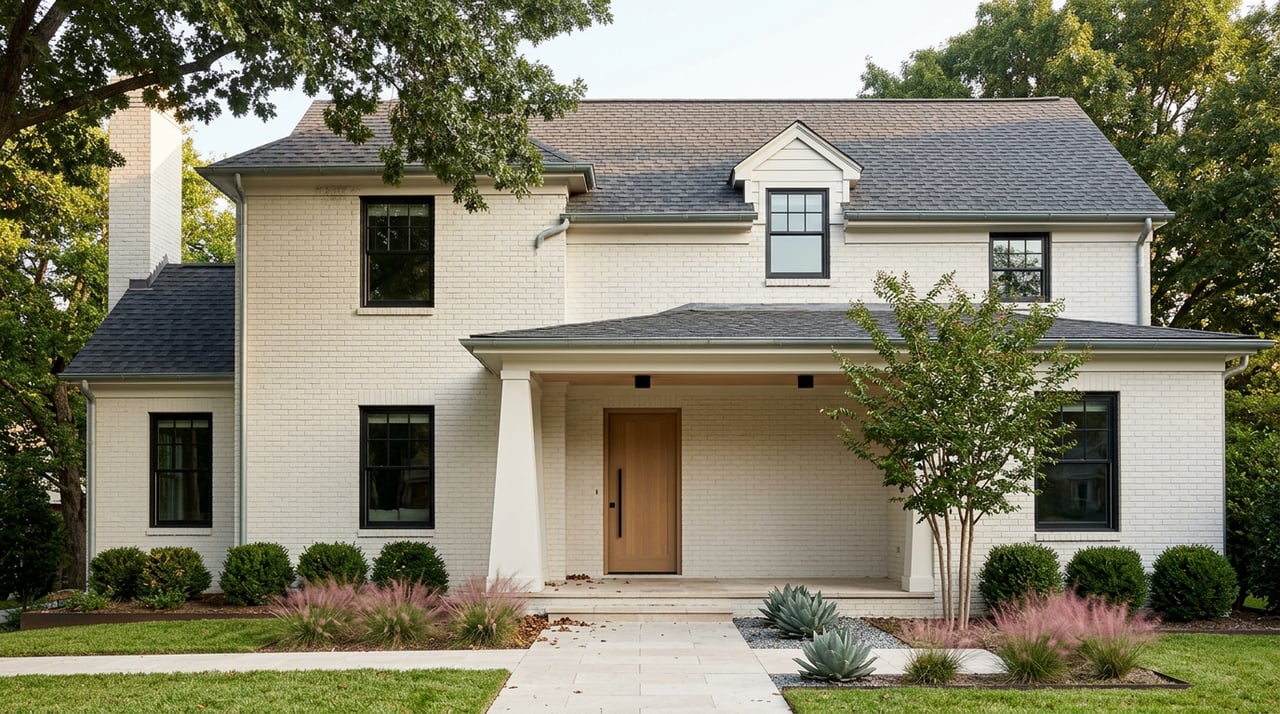
A historic district, sometimes called a landmark district, is preservation focused. Munger Place, Swiss Avenue, and Junius Heights all fall into this category, and the city describes Junius Heights, at more than 800 residences, as the largest historic district in Dallas. Any exterior change in one of these districts, from a window swap to a full addition, needs a Certificate of Appropriateness signed off by the Landmark Commission or, for smaller routine items, by city staff.
A conservation district is a lighter-touch zoning overlay. It exists to keep a street's scale and character consistent without freezing every material choice in place. Vickery Place is East Dallas's clearest example, designated a City of Dallas Conservation District in 2006. Exterior changes there still get reviewed, but through a staff-level Work Review Form rather than a commission hearing.
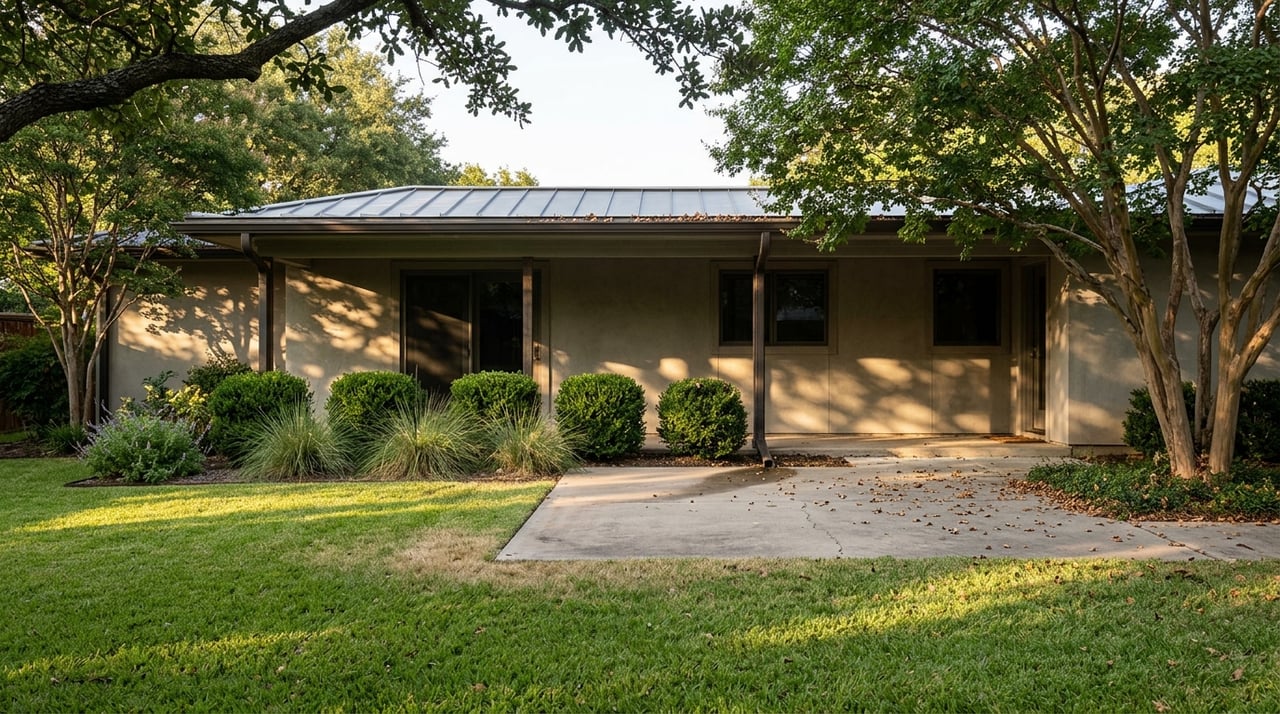
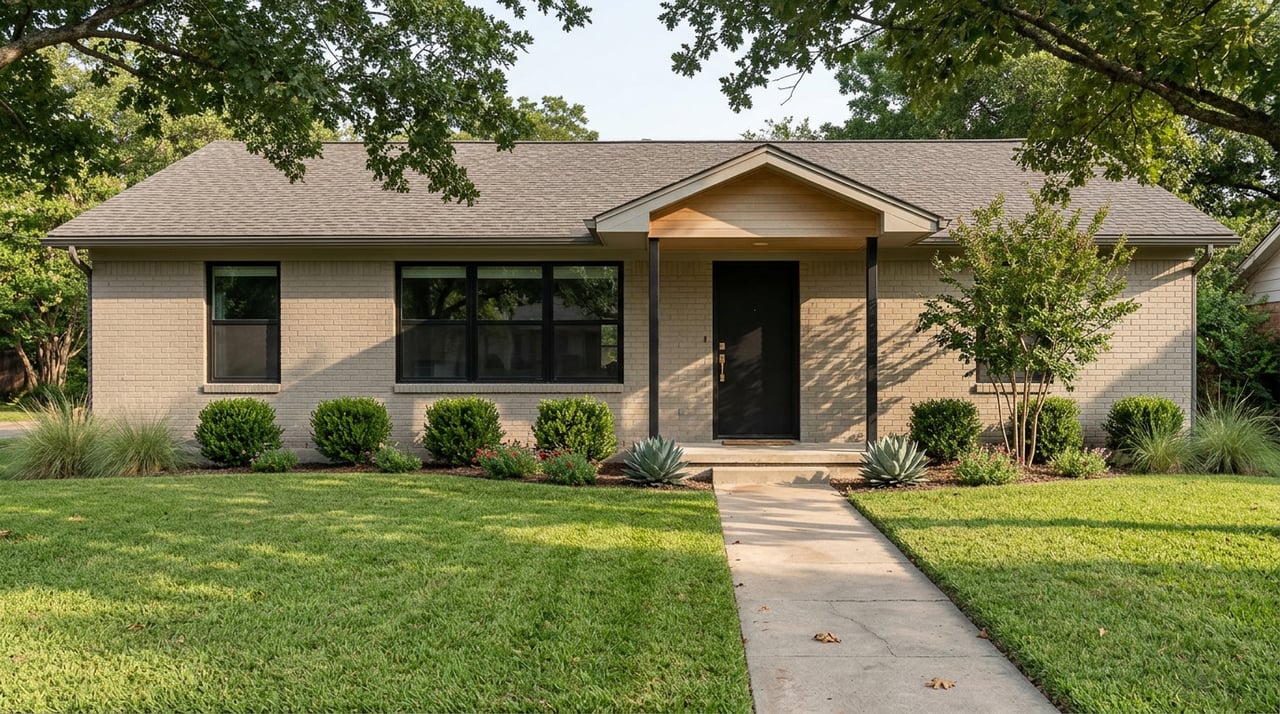
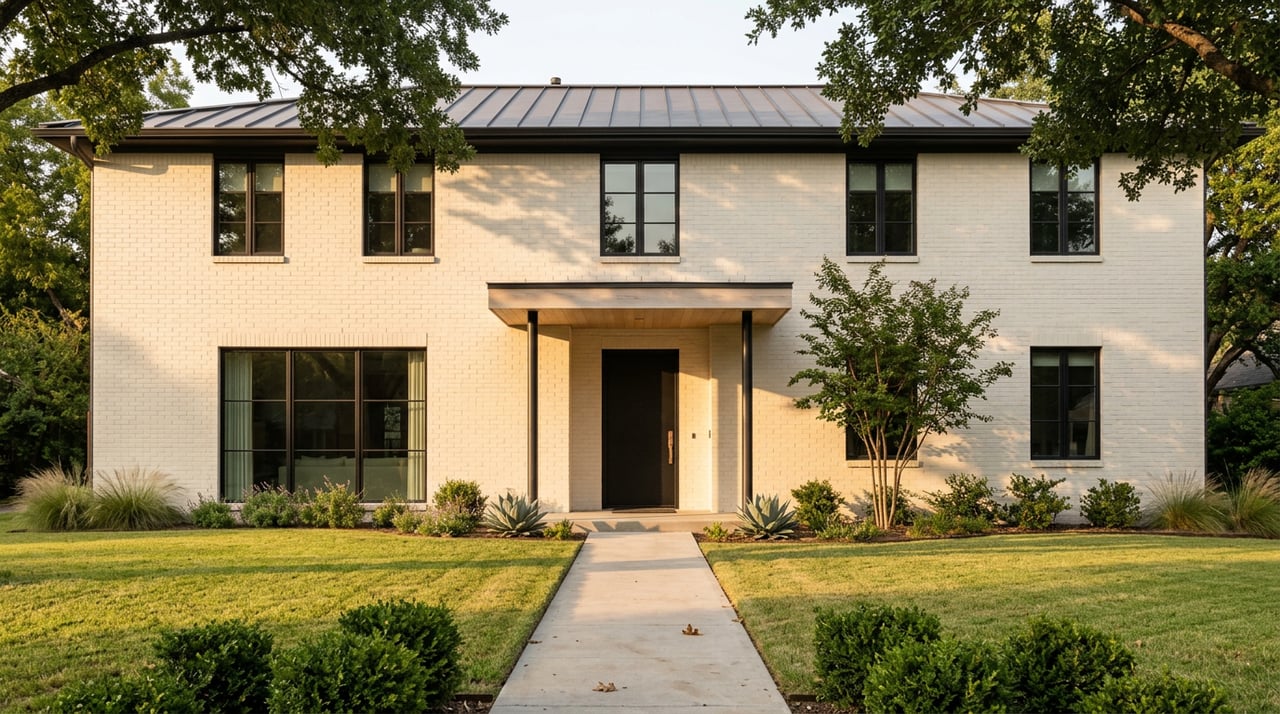
Then there are blocks with no overlay at all, where the only real constraints are standard zoning, engineering, and whatever the market will support. Pockets of Lakewood Heights and Casa Linda Estates fall here, and it shows in the housing stock itself: original brick ranches sitting next to newer contemporary builds on what used to be tear-down lots.
Three systems. One neighborhood name on the sign.
Swiss Avenue became Dallas's first local historic district in 1973. Munger Place followed as a Dallas Landmark District in 1988. Both require a Certificate of Appropriateness for exterior work, and the city is explicit that in Munger Place this applies to every property in the district, whether or not that specific structure is classified as contributing to the historic character.
The process itself has real friction points that catch investors who assume a rehab timeline like any other. Additions, major alterations, new construction, and demolitions all go to the Landmark Commission, following a sequence of neighborhood task force review, staff recommendation, and then a public hearing. Submittals are due the fourth Monday at noon to make a given month's meeting, and missing that deadline pushes a project a full month. Filing fees run around $500 for a new construction Certificate of Appropriateness and $400 for a Certificate of Demolition, with a $600 fee attached to unauthorized work discovered after the fact. Once a Certificate of Appropriateness is issued, it expires if work stalls for more than 180 days, which matters in a market where financing delays or a change in contractor availability can easily eat half a year.
None of this makes a historic district property a bad investment. It changes what kind of investment it is. A light rehab that respects original materials and adds value through restoration tends to perform well here, because the neighborhood itself is scarce by design. A gut renovation aimed at maximizing square footage runs into a review process built to slow exactly that kind of change down.
Vickery Place shows what the middle tier looks like in practice. Since its 2006 conservation district designation, the neighborhood has absorbed both restored early-20th-century homes and new construction, because the ordinance is written to permit compatible new building rather than lock the streetscape in amber. Exterior work still requires review, but it moves through staff and a Work Review Form rather than a commission calendar, and new construction or a major remodel is generally expected to clear that review within about 30 days.
That timeline difference is the entire investment case for choosing a conservation district over a full historic district. A 30-day administrative review is a manageable line item in a project budget. A multi-month Landmark Commission cycle, with a hard monthly submittal deadline, is a different kind of holding cost entirely.
Not every East Dallas street carries a designation, and this is where the teardown-and-rebuild model that drives a lot of the neighborhood's headline appreciation actually plays out. Casa Linda Estates has visibly absorbed this pattern, with newer contemporary homes built on former tear-down sites sitting alongside original ranch construction. Parts of Lakewood Heights show the same pattern.
The catch is that overlay status in East Dallas doesn't follow tidy neighborhood boundaries. It can change from one block to the next, and sometimes from one side of a street to the other. Before running numbers on a lot, confirming its actual designation against the city's historic and landmark district map is a five-minute check that prevents a renovation plan built on the wrong assumption.
Once the three-tier system is visible, the $755,000 East Dallas average from July 2026 reads differently. It isn't measuring one market accelerating past the rest of Dallas. It's an average across historic district properties trading on scarcity and preservation appeal, conservation district properties trading on a mix of restoration and permitted new construction, and non-overlay lots trading on straightforward land value and rebuild potential. Three different value drivers, blended into one number that tells you the neighborhood is expensive without telling you why.
For an investor, that number is close to useless on its own. The useful version of it asks which tier a specific lot sits in, what that tier's review process actually costs in time and fees, and whether the target return depends on restoration, permitted new construction, or a straightforward rebuild.
| Overlay type | Example | Review body | Typical timeline | Fees |
|---|---|---|---|---|
| Historic district | Munger Place, Swiss Avenue | Landmark Commission (major work) or staff (routine) | Weeks to months, tied to monthly hearing cycle | ~$500 new construction CA, ~$400 demolition CA |
| Conservation district | Vickery Place | City staff, Work Review Form | Up to 30 days for major remodel or new construction | Set by district ordinance |
| No overlay | Parts of Lakewood Heights, Casa Linda Estates | Standard building permit | Standard permit timeline | Standard permit fees |
One detail trips up investors who hear "historic" and assume the strictest possible rules apply automatically. National Register of Historic Places listing, on its own, generally does not trigger a Certificate of Appropriateness requirement for a private property owner. It's local Dallas designation, the Landmark District or Conservation District status assigned by the city, that creates the review requirement. A property can carry National Register recognition as a point of historical interest without that status alone dictating what an owner can build.
How do I confirm which overlay, if any, applies to a specific East Dallas lot? The City of Dallas maintains a historic and landmark district map through its Office of Historic Preservation, and staff in that office can confirm a property's status by address before you write an offer.
Does a National Register listing mean I need a Certificate of Appropriateness? Not by itself. The requirement comes from local Dallas historic or landmark district designation, not from National Register status alone.
What happens if a Certificate of Appropriateness expires before I finish the work? Work has to stop, and a new certificate has to be issued before it resumes. Since the clock runs on 180 days of inactivity, financing delays or contractor scheduling gaps are worth planning around from the start of a historic district project.
The number on a listing sheet tells you what a lot costs. It doesn't tell you what you're allowed to do with it once you own it. In East Dallas, that second answer depends entirely on which side of an invisible line the property sits, and no average price is going to draw that line for you.
If you're weighing a renovation or rebuild against a specific East Dallas address, Graham Group can help you confirm the overlay before you write the offer, not after. Start your home story with us, get a free home valuation, and let's run the real numbers on the lot you're actually looking at.
Stay up to date on the latest real estate trends.
A qualified agent with years of experience in the real estate market can help you determine the best improvements to make based on your particular market. When you’re ready to learn more, connect with us today. We’re happy to help!