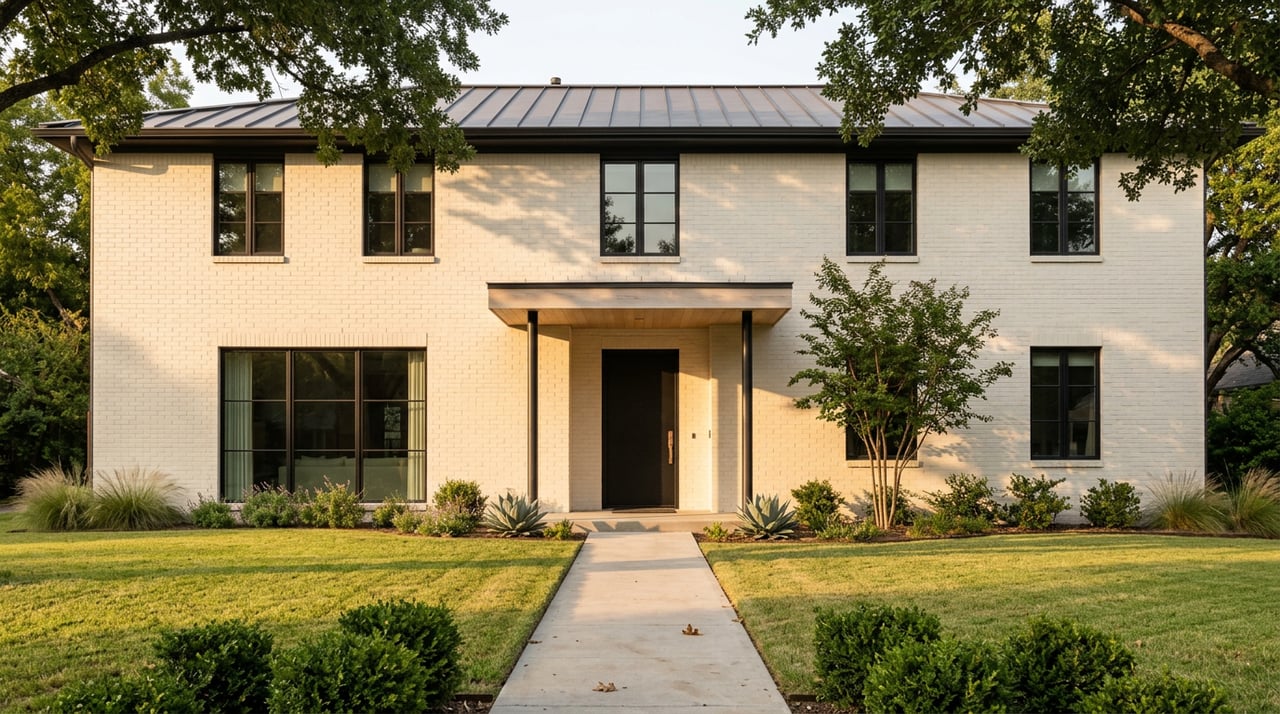
Why Lakewood Dallas Home Prices Tell Two Stories
August 13, 2026
August 13, 2026
Search "Lakewood Dallas home prices" this week and you will find three different answers, all current, all for the same handful of streets west of White Rock Lake.
One data source puts Lakewood's median sale price at $1.6 million as of February 2026, up 20.8% from a year earlier. A second, tracking the trailing 12 months through this summer, lands at $1,495,000, up 25%. A third shows the median asking price across the 68 homes actively listed in May 2026 at $1,674,000, with those homes ranging from $535,000 to $14,950,000. Three numbers, three different growth rates, one neighborhood. None of them are wrong. They are measuring a market that behaves like two markets wearing the same zip code.
The clearest evidence sits one level down, in the Lakewood Heights subdivision specifically. Back in February 2026, homes there were listing at a median asking price of $1.2 million. By the 30 days ending in early August 2026, the median sold price had jumped to $1,799,000, a 93.4% increase year over year. Median price per square foot moved too, up to $458.75, an 11.2% jump.
A 93% swing sounds like a neighborhood on fire. It is not. That figure came from just two closed sales, down from seven the year before. When a median is built on two transactions, it is not describing appreciation. It is describing whatever those two houses happened to be. If both were new-construction teardown-rebuilds on premium lots, the median jumps regardless of what happened to the 1930s bungalow three doors down that never went on the market.
Zoom out to Lakewood overall and the same mechanism is at work, just with more data points to smooth it out. Only 29 homes sold across the whole neighborhood in February 2026, down from 39 the year before. That is a small enough pool that a few high-end closings can move the reported median without reflecting what a typical buyer actually experienced.
Lakewood's housing stock developed in waves, from the early 1900s through the mid-20th century, which is why a single street can hold a 1920s craftsman bungalow next to a home that did not exist five years ago. That mix is not evenly distributed. Some pockets have held onto their original stock. Others have turned over hard.
Little Forest Hills, tucked closer to the lake, has kept a quieter, smaller-scale feel with more of its original housing intact. Lakewood Heights has gone the other direction. Many of its original homes have been torn down and rebuilt, which resets the pricing baseline every time a new one closes, because a $2 million new build and a $650,000 unrenovated original are not variations on the same product. They are different products that happen to share a mail carrier.
The builders active in Lakewood right now confirm how much of the new-construction pipeline is concentrated activity rather than background noise. Fairmont Homes recently completed a run of seven custom homes on a single coveted block. Frank Blanchard, a longtime Lakewood builder, just finished a corner-lot new build in Lakewood Heights a block from Tietze Park. The Cyrus Collection, Dallas Newport Group, Stainback Construction, and Midtown Partners all have current or recently completed projects in the neighborhood. When that much building activity clusters in specific pockets, it is doing most of the work behind the headline price jumps, not organic appreciation spread evenly across every home.
Blended price-per-square-foot figures hide the split just as well as the median does. Redfin's neighborhood-wide number sits at $488 per square foot, up 15.1% year over year. That single figure covers everything from a 1940s cottage that needs a new kitchen to a home finished last month.
Look at actual active listings this summer and the range comes apart fast. In Maple Wood, a new-construction listing priced out at $600 a square foot. In Gaston Terrace, a comparable-sized new build listed closer to $424 a square foot. Over in Lakewood Estates, a 2008-built resale asked $399 a square foot. Three homes, three different vintages, three different numbers, all inside the boundaries that get reported as one Lakewood average.
Here is roughly how those tiers break down in practice:
| Tier | What it typically looks like | Rough entry point |
|---|---|---|
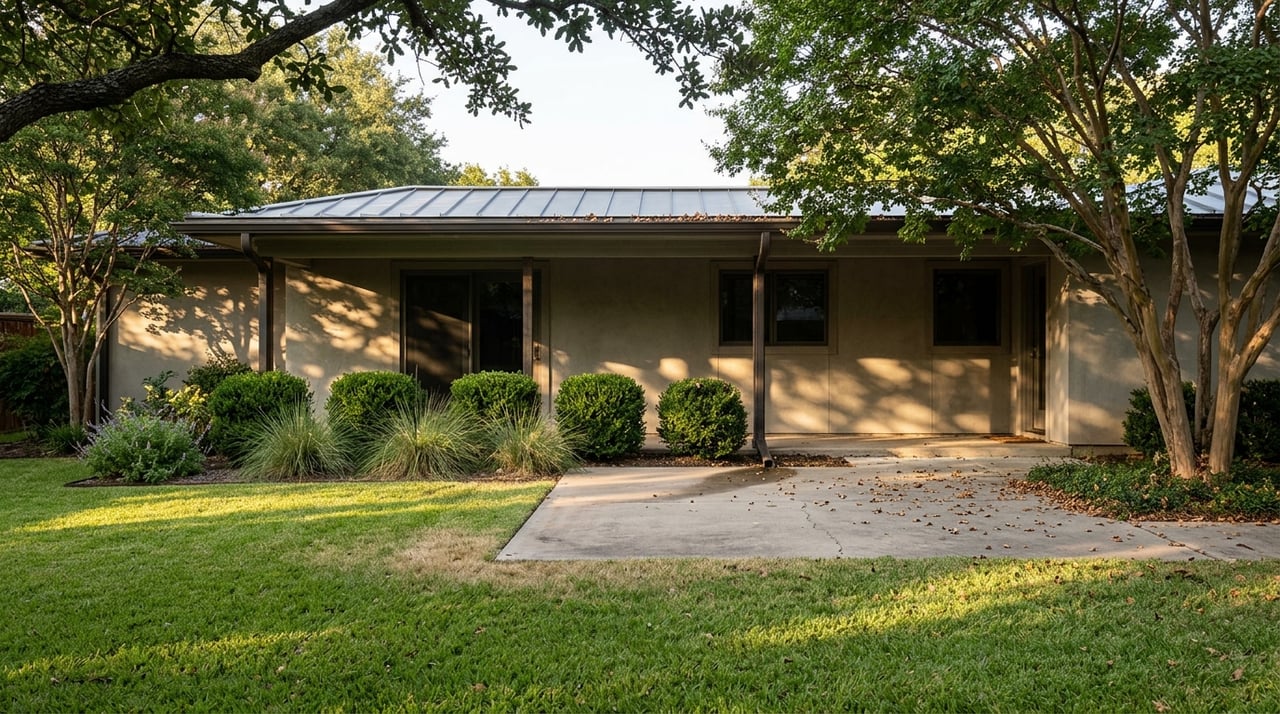
| Original-stock, unrenovated | 1920s-40s cottage or bungalow, smaller footprint, needs updating | Around $600,000 and up |
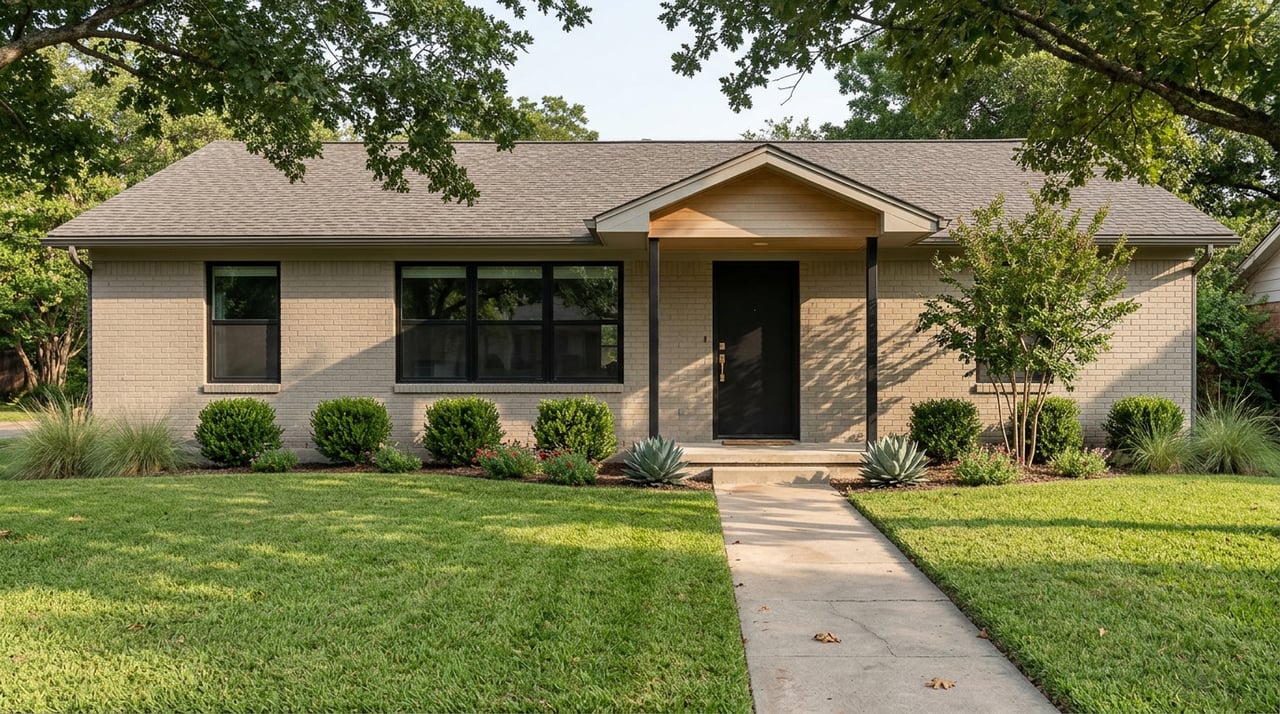
| Renovated, move-in ready | 2,000 to 2,500 sq ft, three bedrooms, updated systems, some original character kept | Around $750,000 and up |
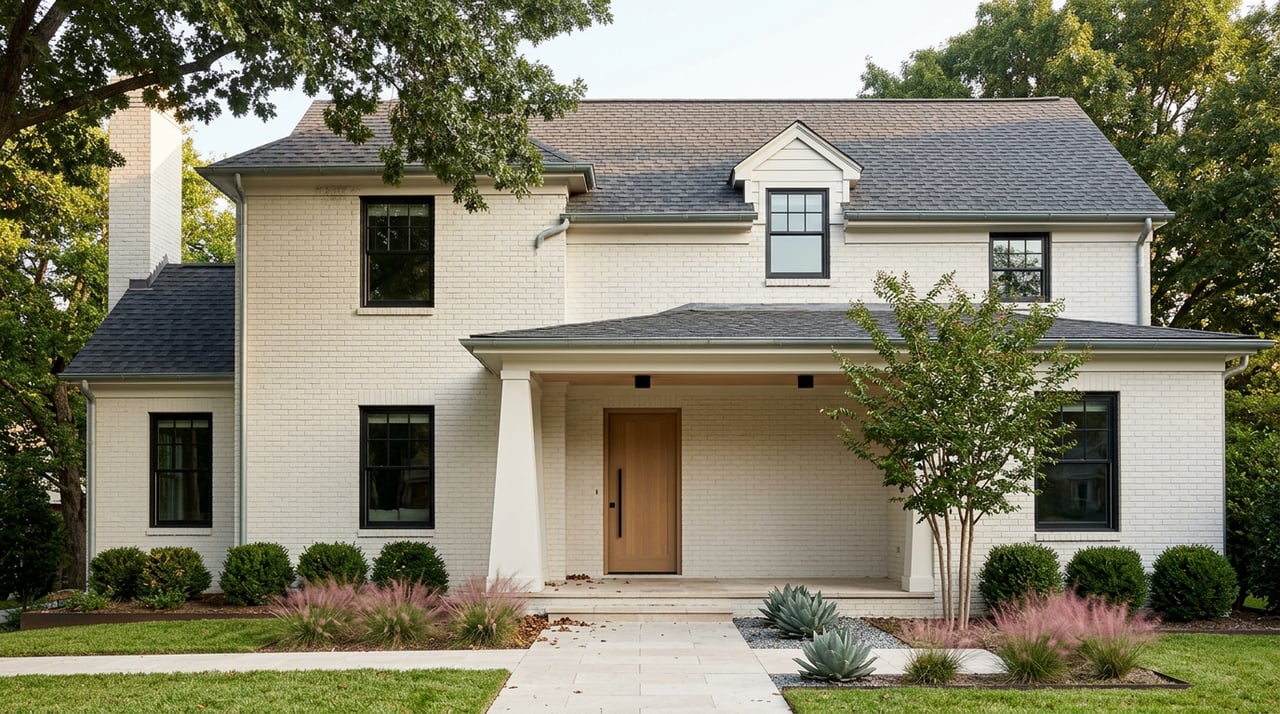
| New construction or teardown-rebuild | 4,000+ sq ft, current finishes, often a corner or premium lot | $1.5 million and up, frequently into the $2 to $4 million range |
None of these tiers is more "Lakewood" than the others. They are just different transactions that get averaged together every time someone quotes a single neighborhood median.
If you are comparing Lakewood against other East Dallas neighborhoods, or trying to figure out what your own search budget actually buys, the neighborhood-wide number is close to useless on its own. A few steps make it usable:
A neighborhood median is an average of two different products sold under the same address. It tells you what happened last month. It does not tell you what your specific home, on your specific block, is worth.
If you are house-hunting in the $650,000 to $850,000 range, you are almost certainly shopping the original-stock and renovated tiers, concentrated in pockets like Little Forest Hills and the quieter interior streets of Forest Hills, not the teardown corridor driving the headline jumps. Treat the eye-catching year-over-year percentages as background noise about a different part of the market, not a signal about your own search.
If you own an original-stock home and you are weighing a sale, pricing off Lakewood's blended median, whatever number you land on between $1.5 million and $1.8 million, will overstate what your specific house can command unless a comparable original-stock sale backs it up. The right comp lives in your pocket and your tier, not in the neighborhood-wide average.
Why do different sites show different numbers for the same Lakewood address range? They pull from different windows, a 30-day snapshot, a single month, a trailing 12 months, and Lakewood trades few enough homes that the choice of window changes the answer substantially.
Does a high median price per square foot mean my older home is worth that much? Not on its own. If your home is original 1920s-40s stock, the relevant comps are other original-stock sales in your specific pocket, not the new-construction closings pulling the neighborhood number upward.
Is now a good time to buy in Lakewood? It depends entirely on which tier you are shopping. The entry-level and renovated tiers have held closer to their historical pricing patterns even while the teardown tier posts the headline-grabbing jumps, so the honest answer requires knowing which market you are actually stepping into.
Lakewood's price signals will keep looking erratic as long as they get reported as one number. If you are trying to figure out what your budget buys, or what your home is worth against the right comps rather than the loudest ones, Graham Group can walk the pocket-by-pocket numbers with you. Start your home story with us, get a free home valuation.
Stay up to date on the latest real estate trends.
A qualified agent with years of experience in the real estate market can help you determine the best improvements to make based on your particular market. When you’re ready to learn more, connect with us today. We’re happy to help!