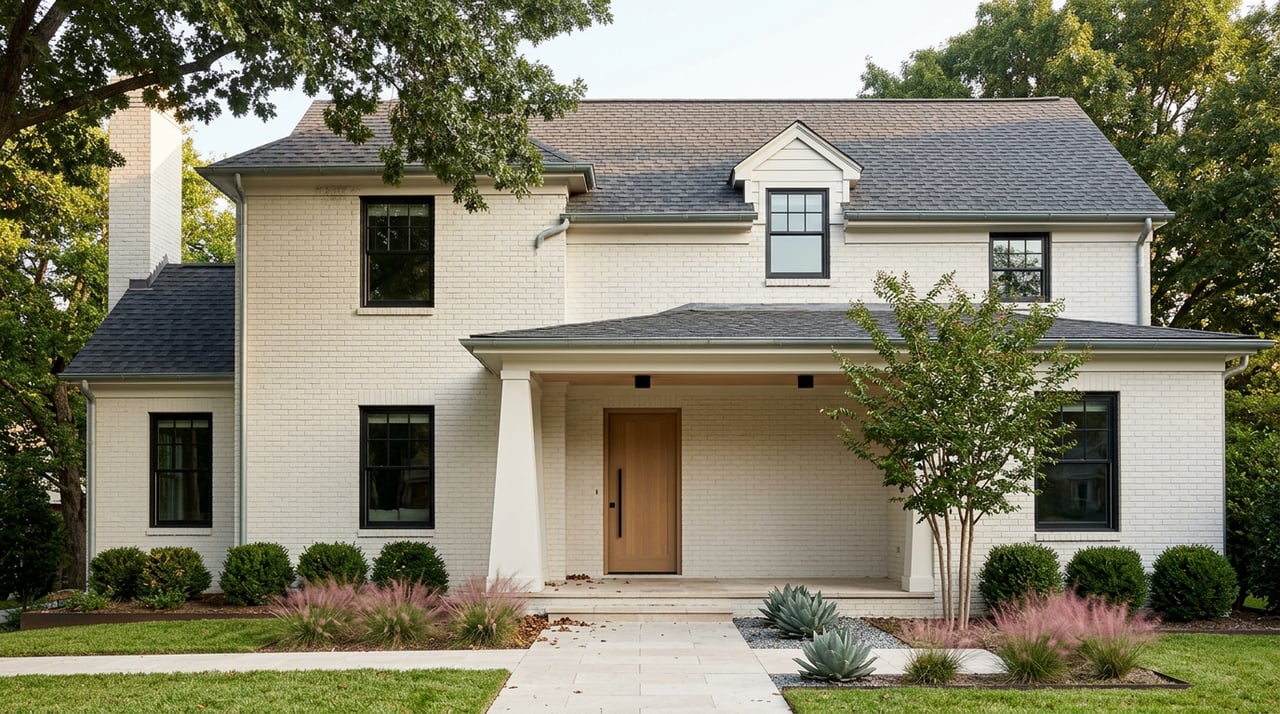
Certificate of Appropriateness for Swiss Avenue & Munger Place Sellers
September 10, 2026
September 10, 2026
A seller in Munger Place calls a painter and a fence contractor six weeks before she wants to list. New coat on the porch trim, a warped section of picket fence swapped out, maybe a different roof color while the crew is up there anyway. Simple stuff. Photos are booked for early listing day. Then her agent asks one question that resets the whole timeline: has anyone filed for a Certificate of Appropriateness yet?
In Munger Place, Swiss Avenue, and the handful of other landmark historic districts stitched through East Dallas, that question isn't a formality. It's the difference between a listing that goes live on schedule and one that sits half-finished while paperwork moves through a calendar the market doesn't control.
Most sellers understand that a historic district limits what a new owner can do to the front of a house. Fewer understand how far that reach extends, or how little it cares whether the house is the neighborhood's crown jewel or a plain one that never made the architectural cut. The City of Dallas requires a Certificate of Appropriateness for exterior work on properties in Munger Place regardless of the property's contributing status. Fences, gutters, landscaping features taller than six inches, roof shingles, paint color, storm windows: all of it falls under the same review, whether the work happens on the front porch or a side wall nobody sees from the street.
That single rule is why a pre-listing punch list built the way you'd build one anywhere else in Dallas can go sideways fast. The seller isn't dealing with a building permit she can pull the same week. She's dealing with a preservation review process that runs on its own clock.
The city splits Certificate of Appropriateness applications into two lanes, and the lane your project lands in decides whether you're waiting days or waiting a month.
Routine maintenance work, the kind that keeps a house looking the way it already looks, gets reviewed at the staff level. The city's own preservation office says these applications can take up to 21 days to process, though staff often clears them faster. Same-color repainting, storm windows, gutters and downspouts that match the existing trim, and repairs using the same material and design as the original all tend to fall in this bucket.
Anything that changes the look, material, or design of the exterior has to go in front of the full Landmark Commission, and that's where the calendar gets unforgiving. Applications are due by noon on the fourth Monday of the month, a deadline the city describes as non-negotiable. The Commission itself meets once a month, on the first Monday at 1pm in City Hall's Council Chambers. Miss the fourth-Monday cutoff by a day and the project doesn't wait a week for the next opening. It waits for next month's hearing, plus whatever staff time it takes to get on that docket in the first place.
A homeowner who assumes six weeks of lead time is plenty rarely accounts for the fact that half of that window might not even count if the filing lands one business day past the deadline.
The line between the two tracks isn't always obvious from the driveway. Based on the city's own guidance, projects that typically clear as routine maintenance include:
Projects that tend to trigger full Landmark Commission review include a new roof material or a different roof color, a new fence design or height, additions, new construction, and anything that changes an architectural feature rather than repairing it in kind. A seller replacing cedar shake with a different shingle color to freshen curb appeal before photos, for instance, is very likely stepping out of the routine lane and into the one-hearing-a-month lane.
The City of Dallas preservation staff advise assuming every exterior change needs a signed certificate before the crew shows up. That assumption costs a phone call to the district's preservation planner. Skipping it can cost a listing date.
Doing the work without a signed Certificate of Appropriateness isn't a paperwork risk you quietly absorb. The city's ordinance allows for stop-work orders, citations, and fines for violations, and enforcement doesn't pause because a listing is already scheduled. A seller who paints the trim a new color the week before photos, without realizing that color change needed Commission approval, can end up with a stop-work order attached to a project she thought was finished.
Even when a Certificate of Appropriateness is approved, it isn't open-ended. The City of Dallas says approved work has to show continuous progress within 180 days or the certificate lapses, and starting over means going back through the same monthly cycle. For a seller juggling a contractor's schedule against a hard listing date, that clock is one more reason to file early rather than treat the certificate as a rubber stamp that shows up whenever it's convenient.
Sellers who move through this cleanly tend to work in roughly this order:
None of this changes what a house is worth. It changes when a seller can actually get it in front of buyers looking the way she wants it to look.
Part of why this catches people off guard is that East Dallas's historic core isn't one district with one set of rules. Munger Place, described by the city as home to over 200 structures and the largest intact collection of Prairie-influenced homes in North Texas, sits just south of Swiss Avenue. The two share a border and a century of history, but each operates under its own ordinance and its own assigned preservation planner, which means a seller a few blocks from where she thought she lived can find herself working through a different design review than the house two streets over.
Swiss Avenue carries its own distinction as Dallas's first designated historic district, named in 1973 and added to the National Register of Historic Places on March 28, 1974. The Swiss Avenue Historic District Association still hosts an annual Mother's Day home tour that draws visitors into houses along the boulevard, a reminder that these aren't static museum blocks. People repaint, reroof, and renovate here constantly, which is exactly why the permitting rhythm matters so much to anyone trying to sell on a specific timeline.
Does repainting the exact same color still need a Certificate of Appropriateness? Yes, the application is still required, but same-color repainting is one of the items that typically qualifies for the faster staff-level routine maintenance review rather than a full Commission hearing.
What happens if the work starts before the certificate is signed? The city can issue a stop-work order, and violations can carry citations and fines. It also means the work has to stop mid-project until the paperwork catches up, which is worse for a listing timeline than waiting for approval in the first place.
If you're weighing a pre-listing refresh in Munger Place, Swiss Avenue, or anywhere else in East Dallas's historic core, the conversation to have first isn't with a contractor. It's with someone who already knows which projects clear in three weeks and which ones need six. That's the kind of planning Graham Group builds into every listing timeline from day one. Start your home story with us and get a free home valuation before you pick a paint color.
This article is general information, not legal, tax or financial advice. Consult a qualified professional about your situation.
Stay up to date on the latest real estate trends.
A qualified agent with years of experience in the real estate market can help you determine the best improvements to make based on your particular market. When you’re ready to learn more, connect with us today. We’re happy to help!